Midwest guides · KS
The Kansas CDJR buyer's guide: wind, hail and the long road across the Flint Hills
Kansas has more wind than snow, more hail than most states and a lot of empty highway. Here is what holds up on gravel, in storms and across the 400-plus miles of I-70 from Kansas City to the Colorado line.
Our picks for Kansas
Driving conditions: wind, hail and long distances
Kansas is flat in the west, rolling in the Flint Hills and hillier in the east near Kansas City. The wind is a constant in the west, with strong gusts that push high-profile vehicles on I-70 and US-54, and the state sits in tornado alley and hail country. Winter brings blizzards in the western half and ice storms in the east, but total snowfall is lighter than in the northern Midwest.
Distances are long: I-70 runs well over 400 miles across the state, and many highways have miles between towns. County roads are paved, chip-sealed or gravel. Wichita and the Kansas City area (Overland Park, Olathe, Kansas City, Kansas) have regular suburban traffic, with trucks and SUVs the norm.
Recommended models for Kansas, and why
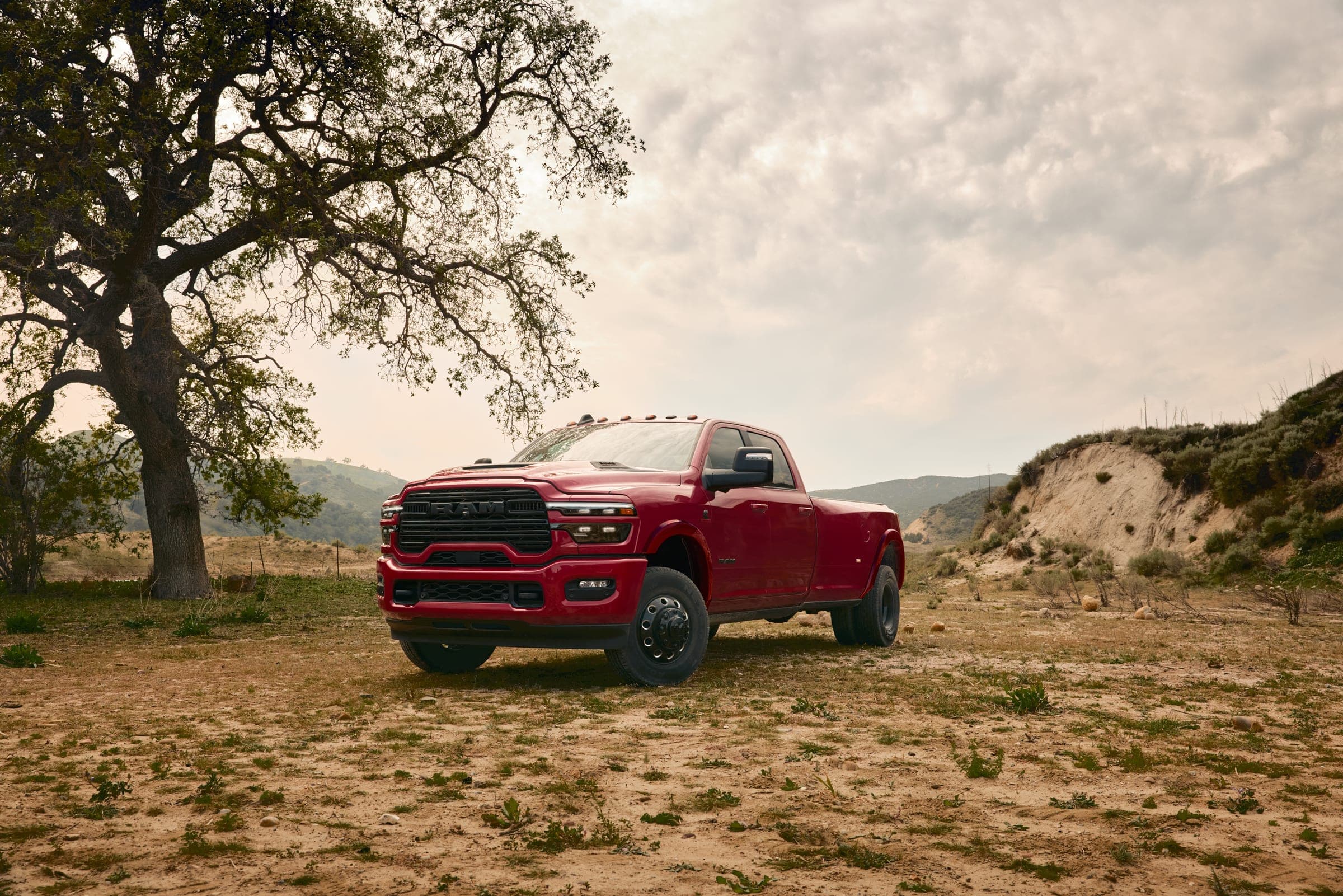
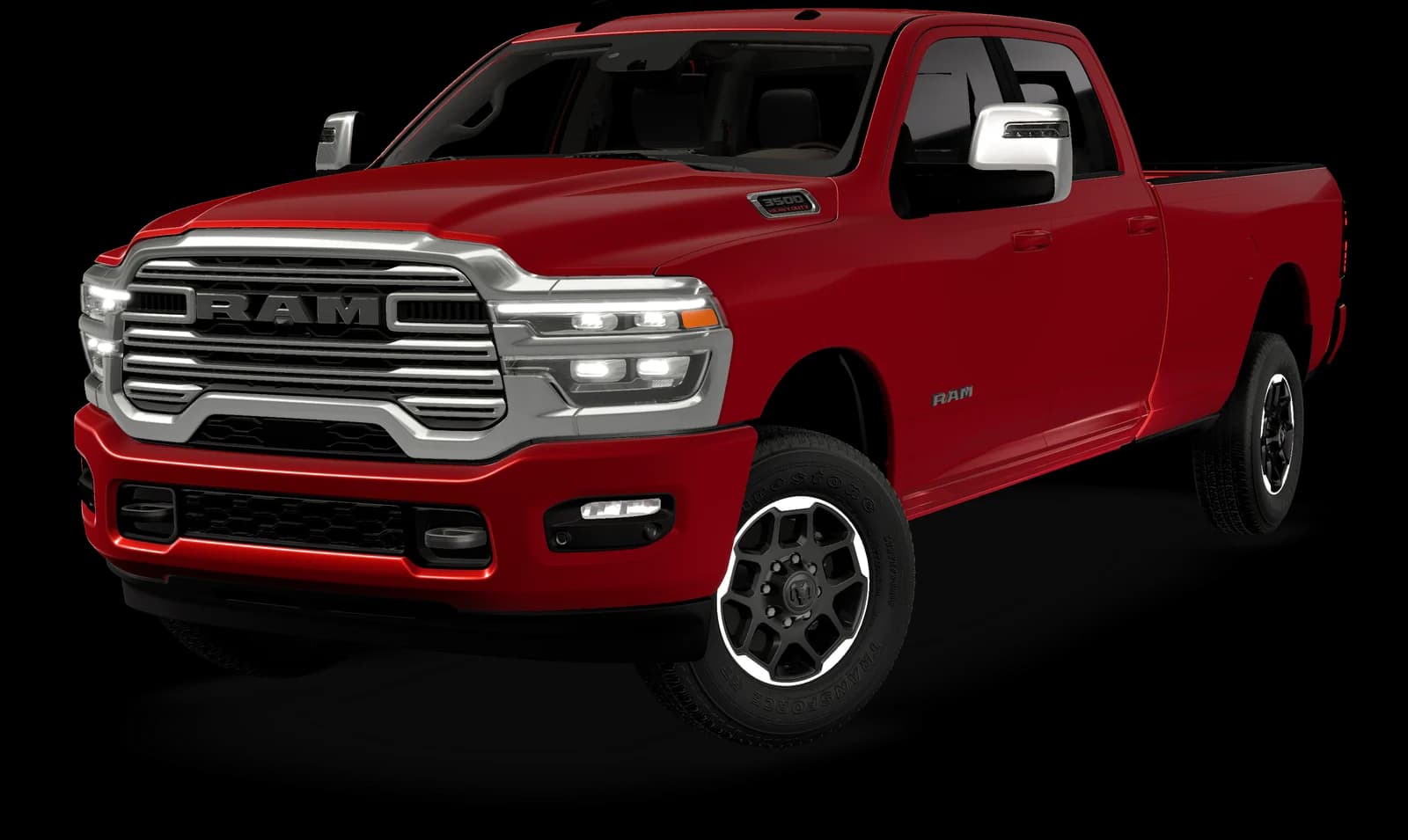
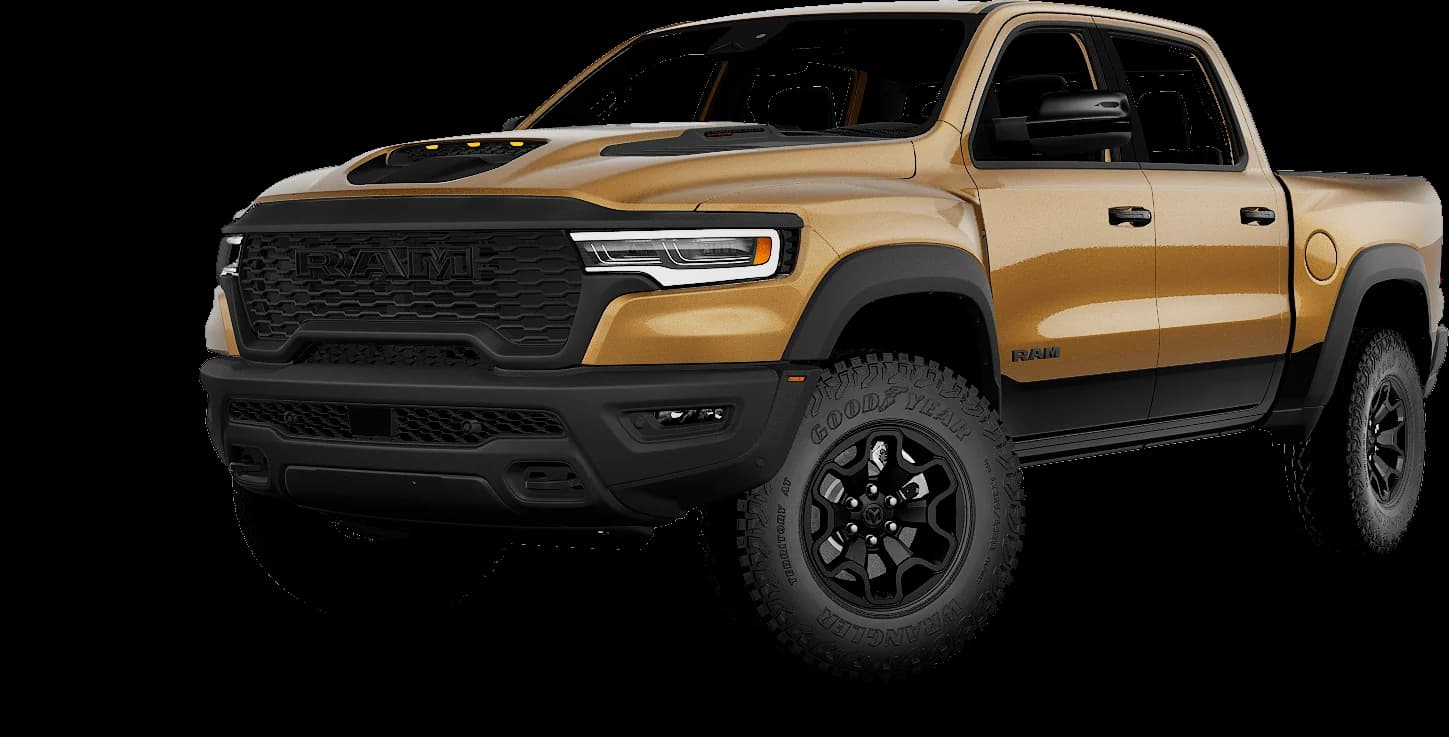
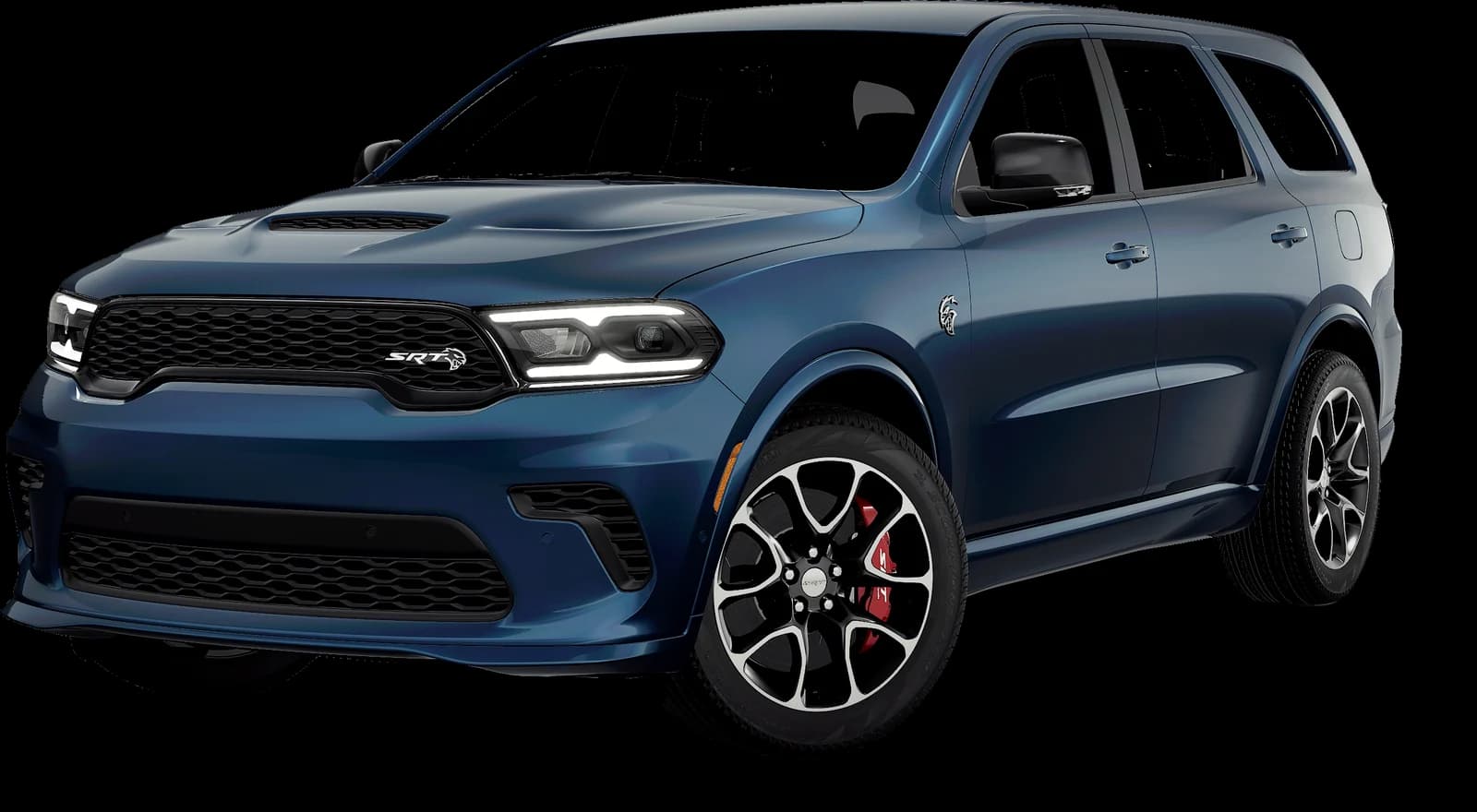
The Ram 3500 and 1500 are staples for ranch, wheat and oilfield work, with leaf-spring HD capability and V8 or diesel power. The Ram 1500's 4x4 suits ranch trucks and suburban families alike. The Dodge Durango is a good three-row choice with HEMI power and up to 8,700 pounds of towing, and Dodge City-area owners will appreciate the nameplate.
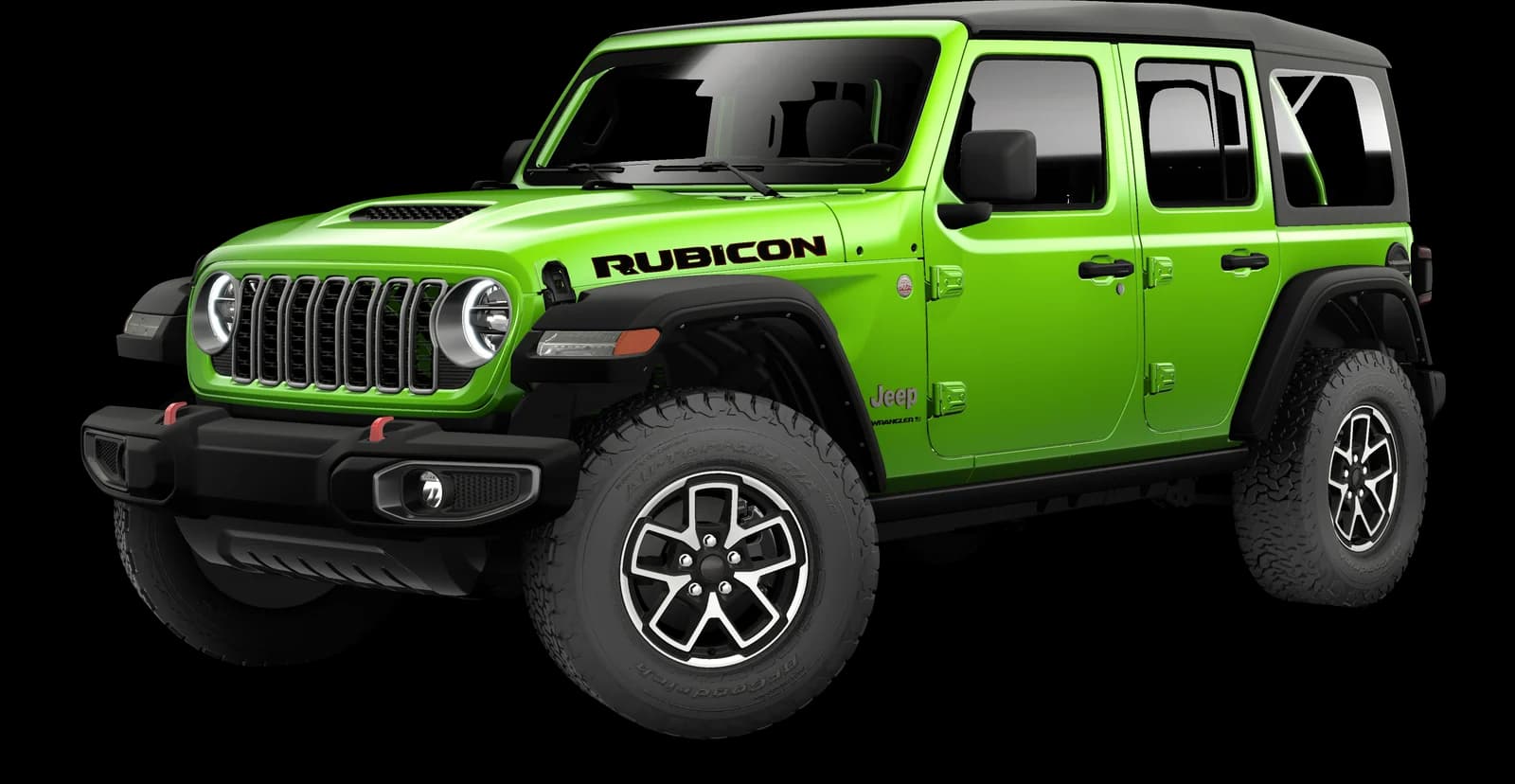
The Jeep Wrangler is popular for trail use and flat-country gravel, though its short wheelbase gets pushed around by wind on the interstate. If you spend most of your time on the highway, the Grand Cherokee or Durango is a steadier choice.
Equipment worth paying for in Kansas
Highway-driving comfort items, like adaptive cruise control, lane-keeping and a good seat, matter more in Kansas than in most places. Order a tow package if you pull a stock trailer or livestock trailer, and ask about trailer sway control. For hail country, a covered parking spot is worth more than most options.
Winter in Kansas is lighter than farther north, but 4x4 or AWD still helps on ice and gravel. Skid plates and tow hooks are worth having on ranch trucks, and a block heater is worth considering for western Kansas, where mornings can drop sharply below freezing.
Ownership notes: hail damage, bugs and wide-open roads
Hail is the biggest ownership risk in Kansas. Check what your insurance covers and consider parking under cover during spring storms. After a hail event, get a professional estimate before accepting a quick payout, since small dents can hide larger problems.
Long drives are hard on tires and brakes, so plan regular rotations and brake inspections. Bug and dust buildup on the grille can affect cooling, so clean it before towing in summer. EV charging is concentrated along I-70 and I-35 and in the larger metros, so check your route before relying on a plug-in outside those corridors.
Kansas buyer FAQ
What is the best truck for Kansas ranch and farm work?
The Ram 3500 for heavy hauling, the Ram 2500 for general ranch work and the Ram 1500 for light-duty use. The Cummins diesel is the long-haul choice, and the HEMI gas engine has the higher payload on the 2500 and 3500.
Is the Jeep Wrangler good on Kansas highways?
It handles gravel and trails well, but its short wheelbase and boxy shape make it sensitive to wind on I-70 and US-54. For long highway miles, a Gladiator, Grand Cherokee or Durango is steadier.
Does Dodge have a connection to Dodge City, Kansas?
Only in name. Dodge City, Kansas, is named for a nearby frontier fort and has no formal connection to the Dodge brand, though plenty of Dodge owners enjoy the coincidence.
More Midwest guides