Midwest guides · IN
The Indiana CDJR buyer's guide: RV capital towing, lake-effect snow and Kokomo-built parts
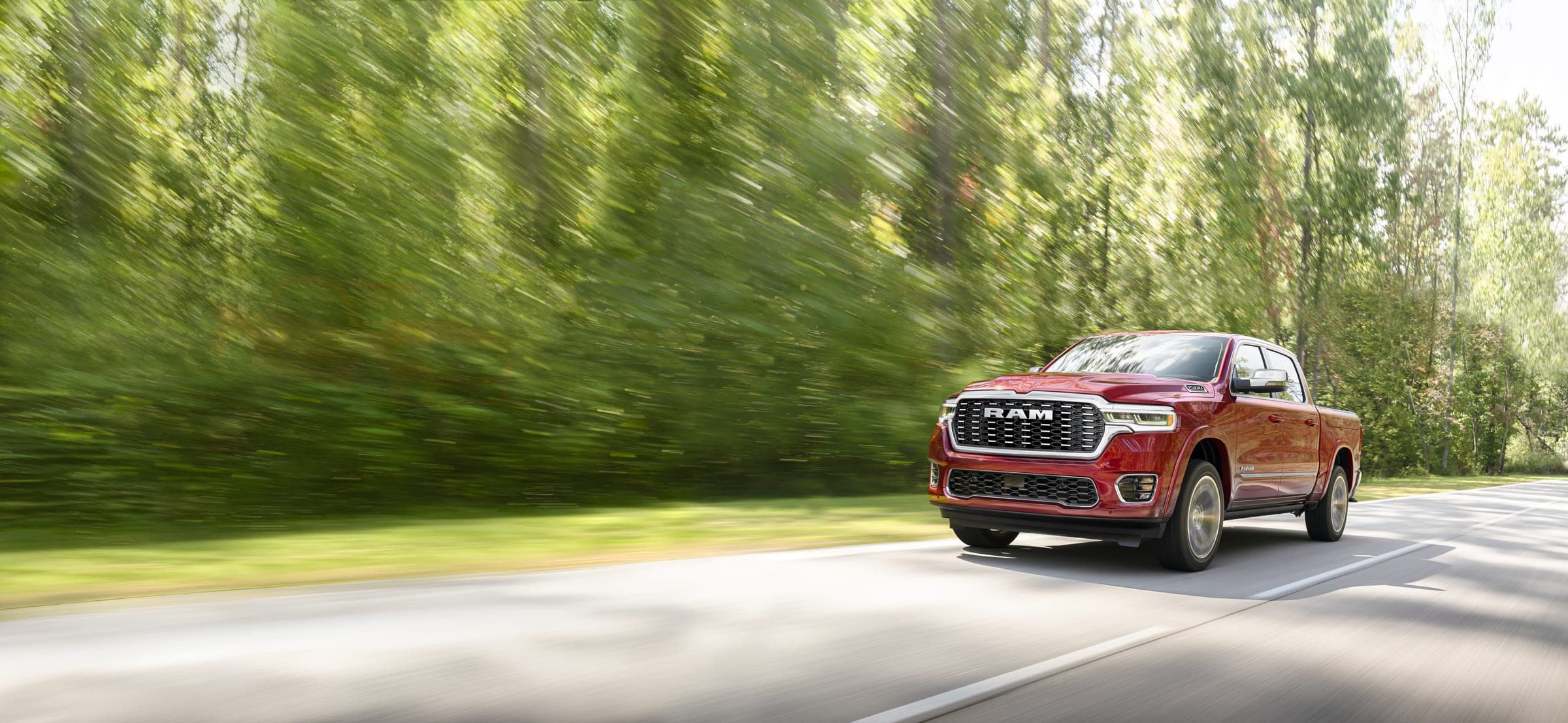
Indiana means lake-effect snow near South Bend, county-road gravel, and the RV capital of the world in Elkhart. Here is what to drive if you tow a camper, shovel out a long lane or just commute on I-65.
Our picks for Indiana
Driving conditions: snow near the lake, ice farther south
Northern Indiana gets lake-effect snow off Lake Michigan that can pile up quickly around South Bend and Elkhart, while Fort Wayne and Indianapolis see more typical Midwest winters with ice and freezing rain. Evansville and the Ohio River counties are milder but hilly, with Brown County's rolling roads and fall-color traffic as a regular challenge.
Most of Indiana is flat, open farmland, so crosswinds and blowing snow reduce visibility on I-65, I-69 and I-70. County roads are a mix of pavement, chip seal and gravel. In summer, the same roads fill with campers, pickup trucks and tractors, all moving at different speeds.
Recommended models for Indiana, and why
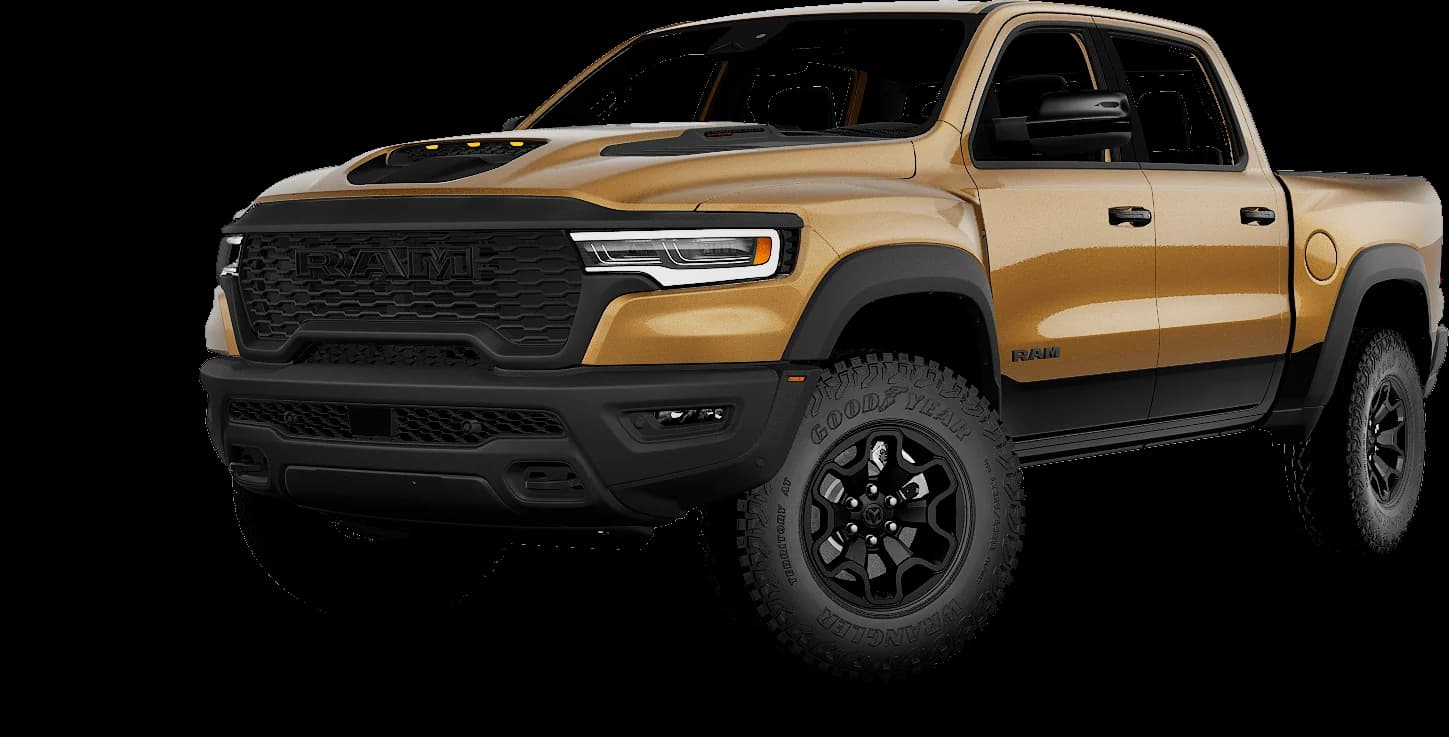
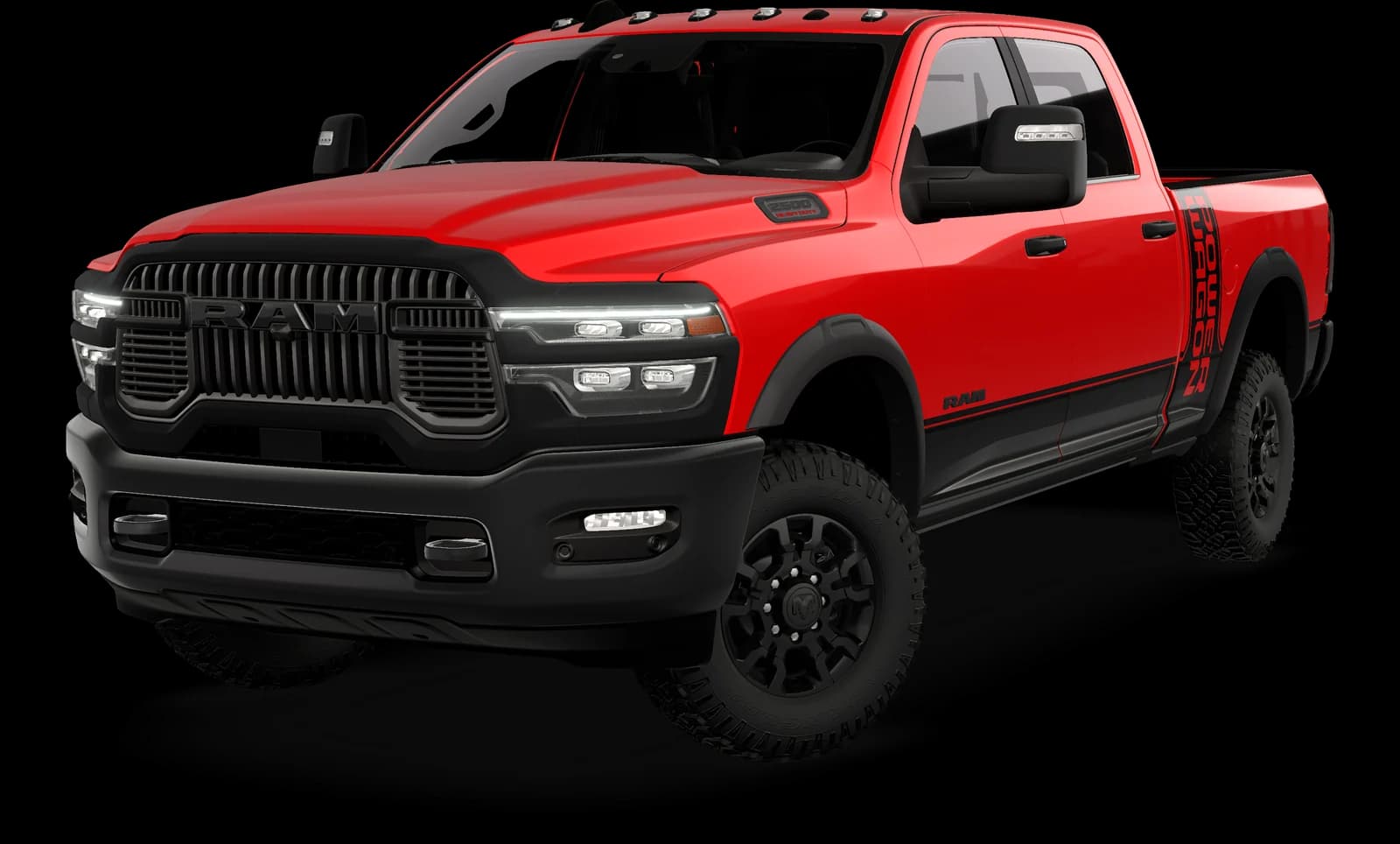
Elkhart County is the heart of the RV industry, and towing questions come up constantly in Indiana. The Ram 1500 handles light trailers and pop-ups with up to 11,530 pounds of rated capacity, and the Ram 2500 is the better answer for larger travel trailers and fifth wheels with up to 17,740 pounds with the HEMI or 20,000 with the Cummins diesel (preliminary 2027 ratings).
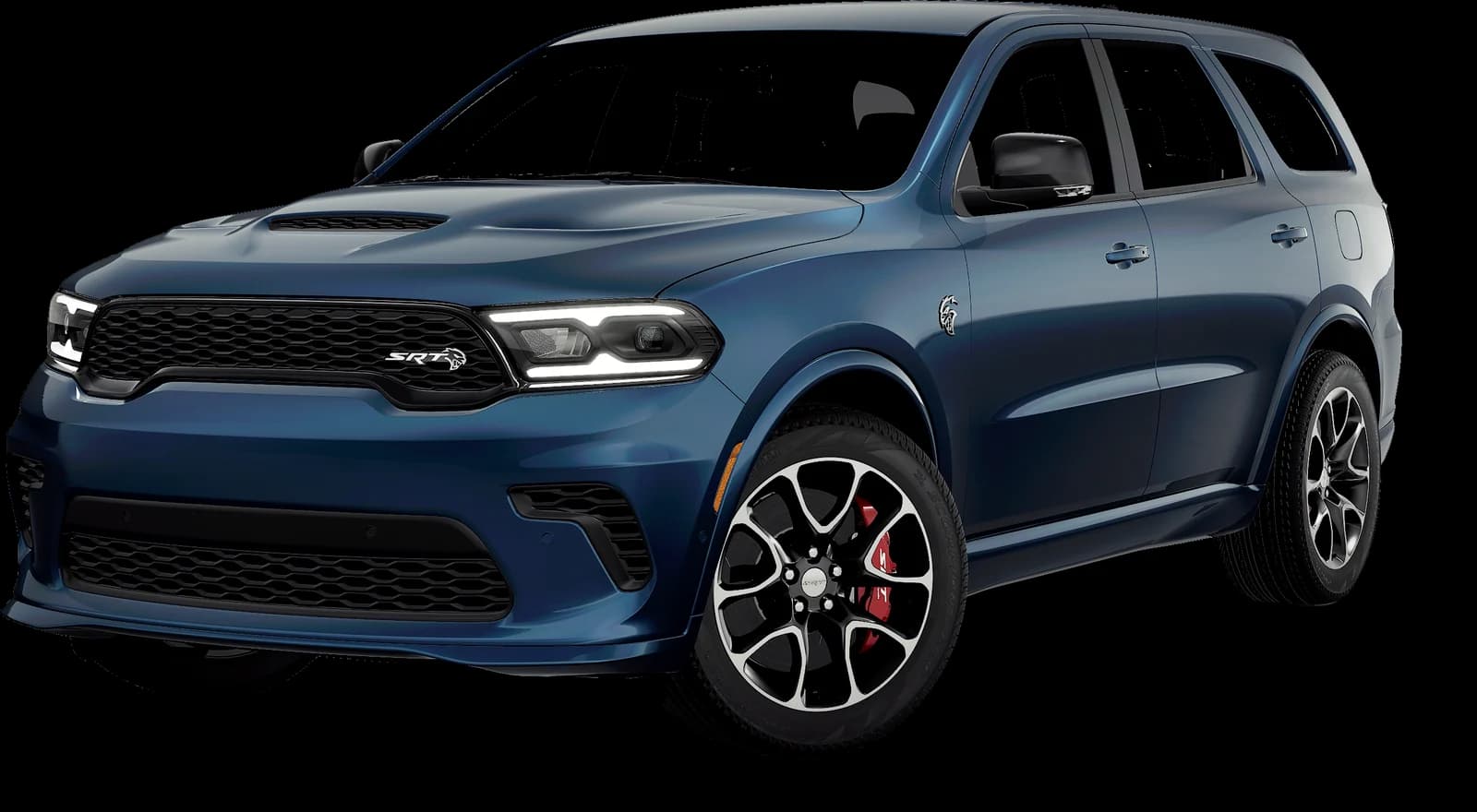
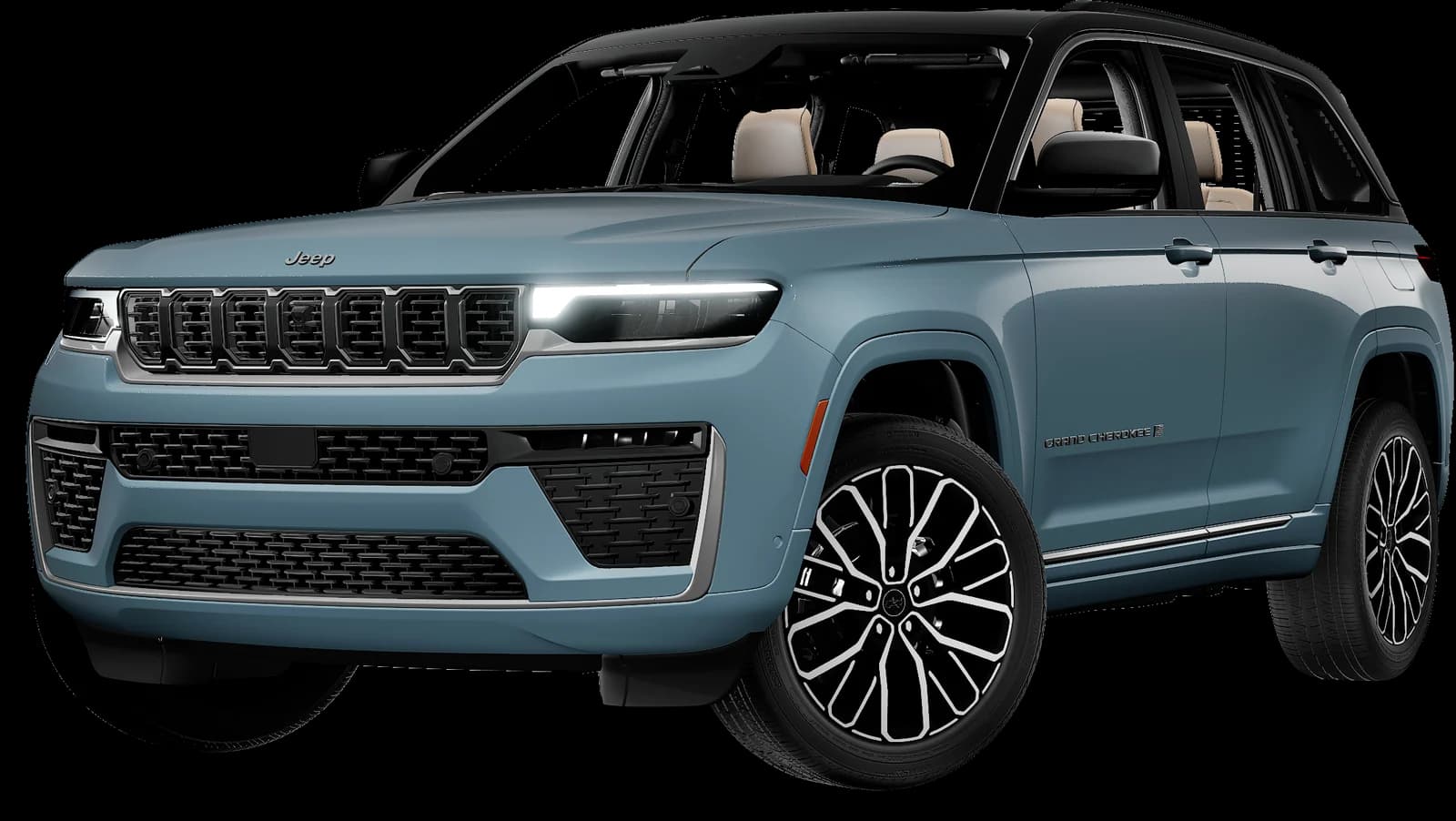
For families, the Dodge Durango and Jeep Grand Cherokee both tow 6,200 pounds or more and seat five to seven. The Durango's HEMI models are rated at 7,200 pounds, or 8,700 with Tow 'n Go. If you only need a daily driver with light trailer duty, the Grand Cherokee is the more refined of the two.
Equipment worth paying for in Indiana
If you tow, order the factory tow package and look at trailer brake controllers, which are built into some Ram and Dodge packages. A transmission cooler and the right axle ratio matter more than a bigger engine for steady highway towing. The payload sticker on your exact truck matters more than the headline tow number, and campers in Indiana are often heavier than their brochures suggest.
For winter, 4x4 and AWD are standard on many Jeeps and available on the rest. Remote start and heated seats are worth paying for on any trim, and a block heater is worth asking about if you will park outside in January. Ram 2500 and 3500 trucks include snowplow prep wiring as standard if you plan to plow a long drive.
Ownership notes: Kokomo, salt and the camper season
Indiana has a real tie to the vehicles you will be driving. Stellantis lists Kokomo as home to Indiana Transmission (six- and nine-speed units), Kokomo Transmission (eight-speed automatics) and Kokomo Casting, and said in October 2025 that its Kokomo facilities would build a new four-cylinder engine called the GMET4 EVO. That does not tell you which part is in any particular truck, but it is a local footprint.
Wash off road salt before a long spring storage period, especially if you tow, and pay attention to hitch receiver and wiring corrosion. For EV charging, the corridors around Indianapolis and the toll road are well served, but rural pockets are thin, so plan accordingly.
Indiana buyer FAQ
What is the best truck for towing a camper in Indiana?
For travel trailers under about 8,000 pounds, the Ram 1500 with the right engine and axle is workable. For bigger trailers and fifth wheels, the Ram 2500 or 3500 gives you the payload and braking margin. Check the trailer's loaded weight, not its dry weight.
Are Stellantis vehicles built in Indiana?
Stellantis does not assemble complete vehicles in Indiana today, but it makes transmissions, castings and, starting in 2026, a new four-cylinder engine in Kokomo. Indiana-made powertrain parts can end up in vehicles assembled elsewhere.
Do I need 4x4 in Indianapolis?
Many drivers get by with front-drive and good tires, but 4x4 or AWD is useful for freezing rain, unplowed side streets and gravel roads outside the city. If you tow or live in the northern lake-effect counties, it is close to essential.
More Midwest guides