Midwest guides · MO
The Missouri CDJR buyer's guide: Ozark hills, ice storms and a lot of lake-bound trailers
Missouri splits the difference between Midwest winters and Southern ice, with the Ozarks adding hills and lake traffic. Here is what fits St. Louis, Kansas City and the float-trip counties.
Our picks for Missouri
Driving conditions: ice more than snow, and hills everywhere
Missouri sits where cold Midwest air meets warmer Gulf air, and the result is often ice rather than deep snow. Ice storms hit the middle of the state hard, bringing down limbs and power lines, and freezing rain can coat the interstate through St. Louis and Kansas City on mornings with no snow in the forecast. North Missouri gets more typical Midwest snow, while the Bootheel is warmer and flatter.
The Ozarks are the state's driving challenge. Roads around Lake of the Ozarks, Table Rock Lake and Branson are steep, narrow and curvy, with a lot of RV, boat and tourist traffic on weekends. St. Louis and Kansas City are salted, congested metros with hills of their own, and I-70 between them is about 250 miles of heavy truck traffic.
Recommended models for Missouri, and why
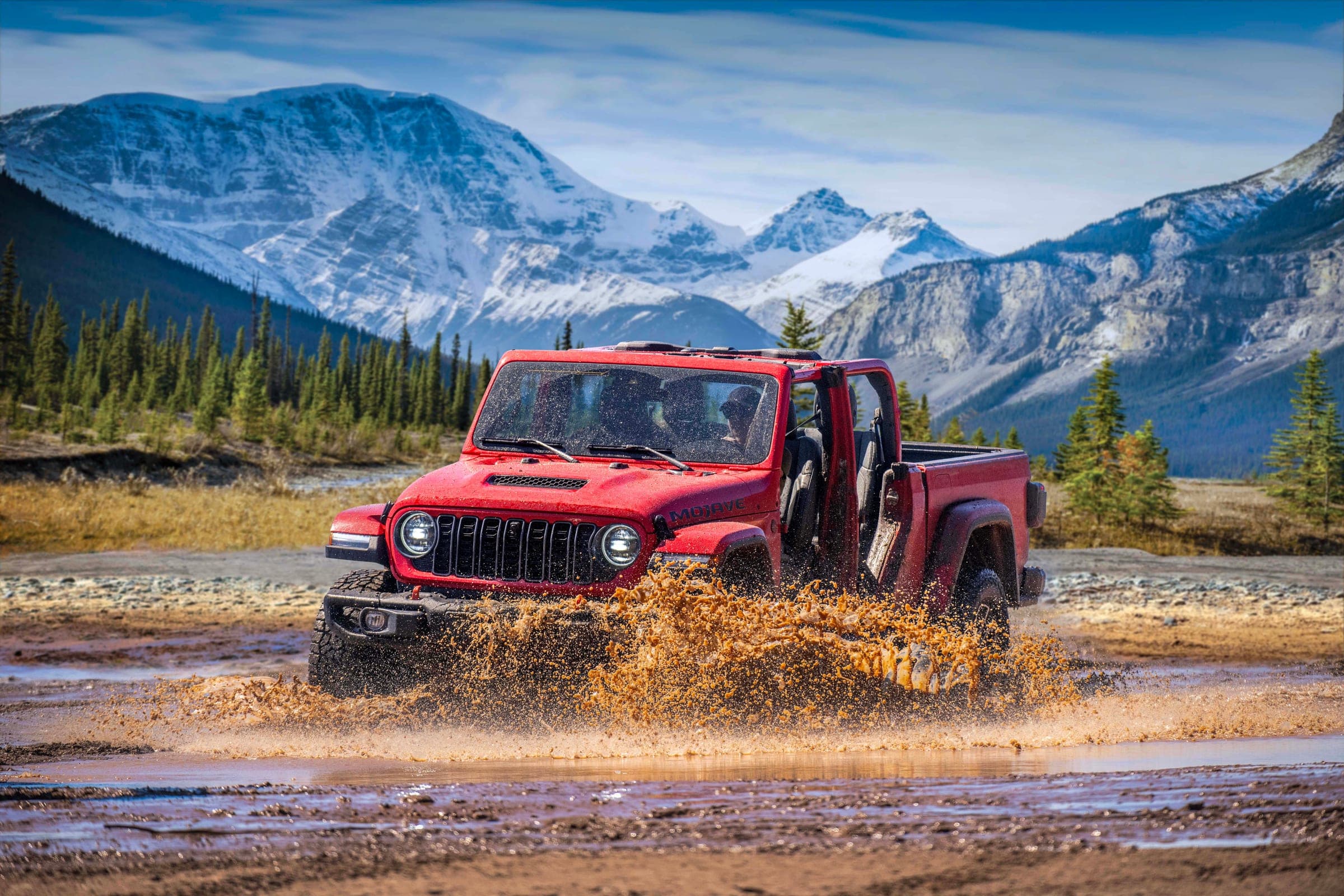
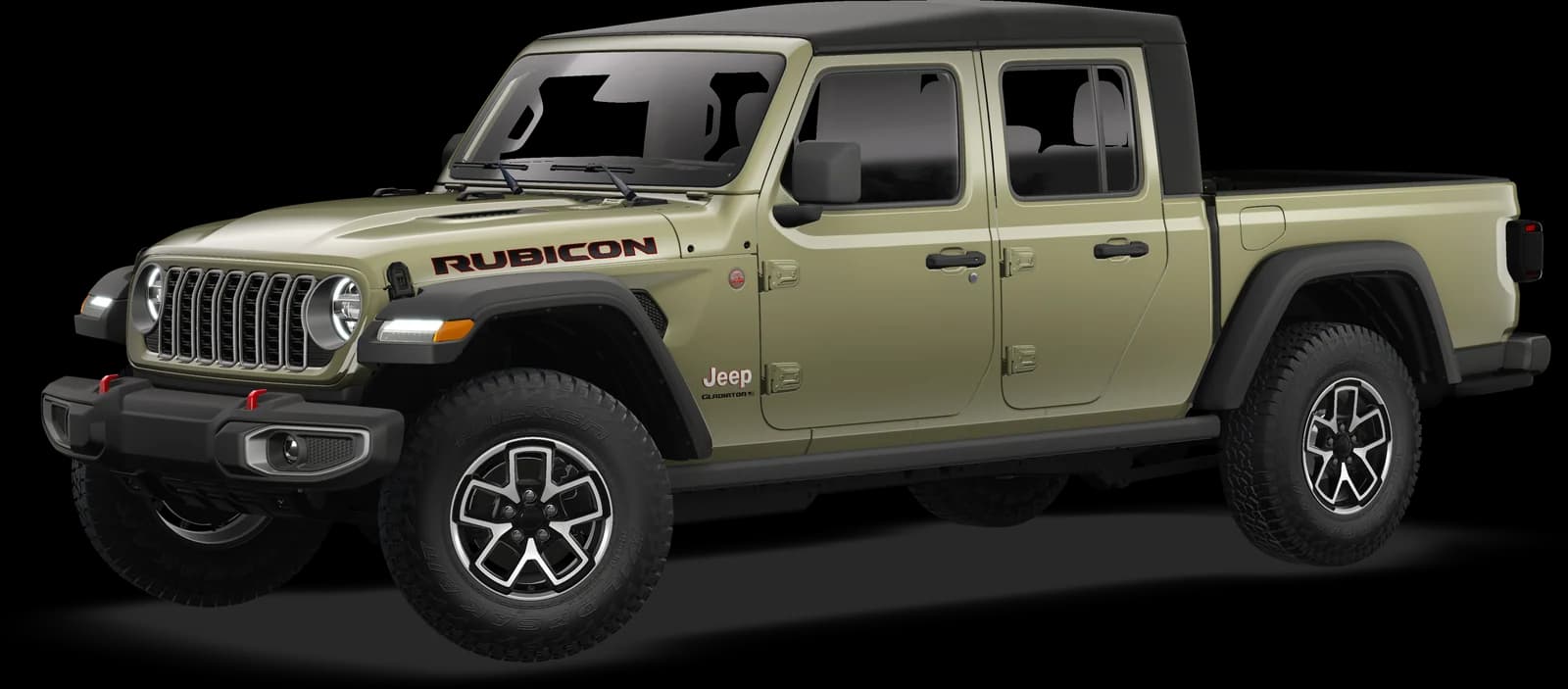
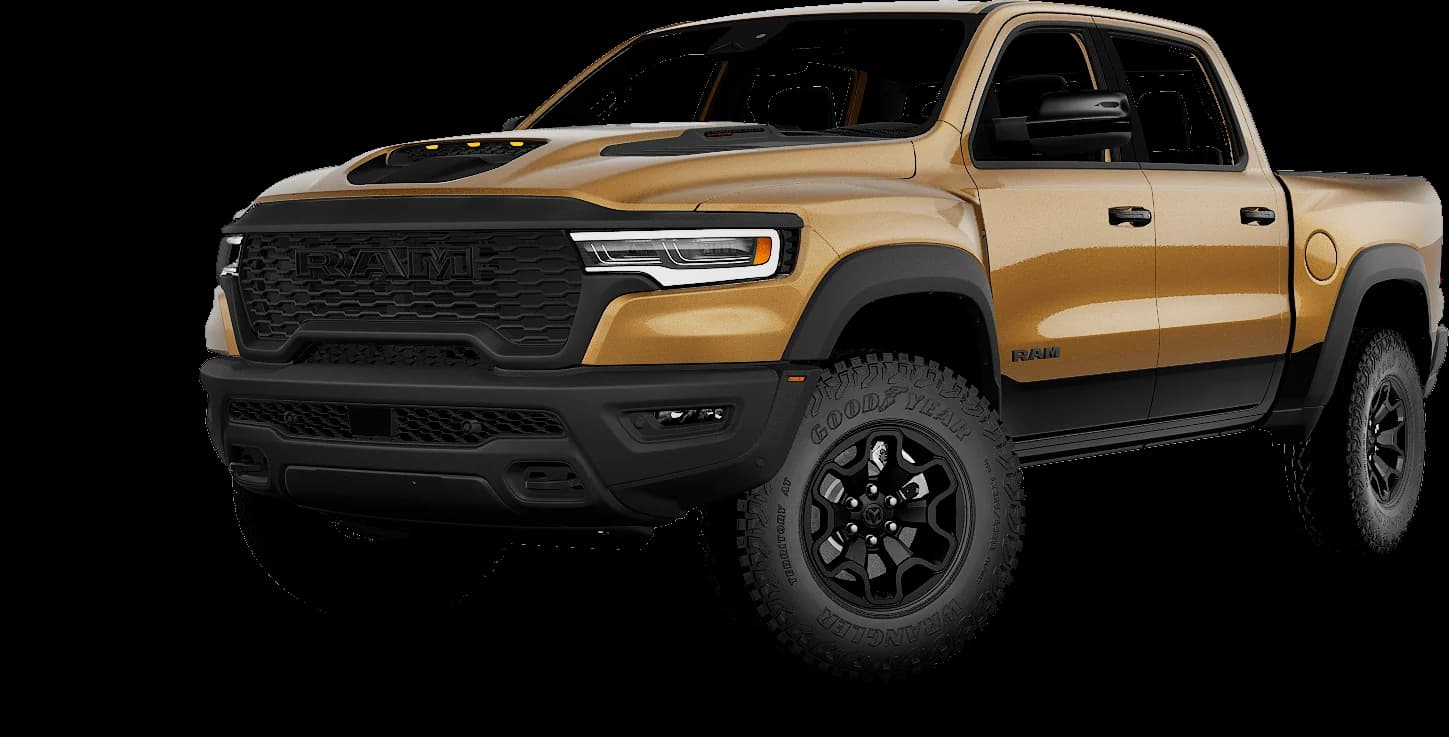
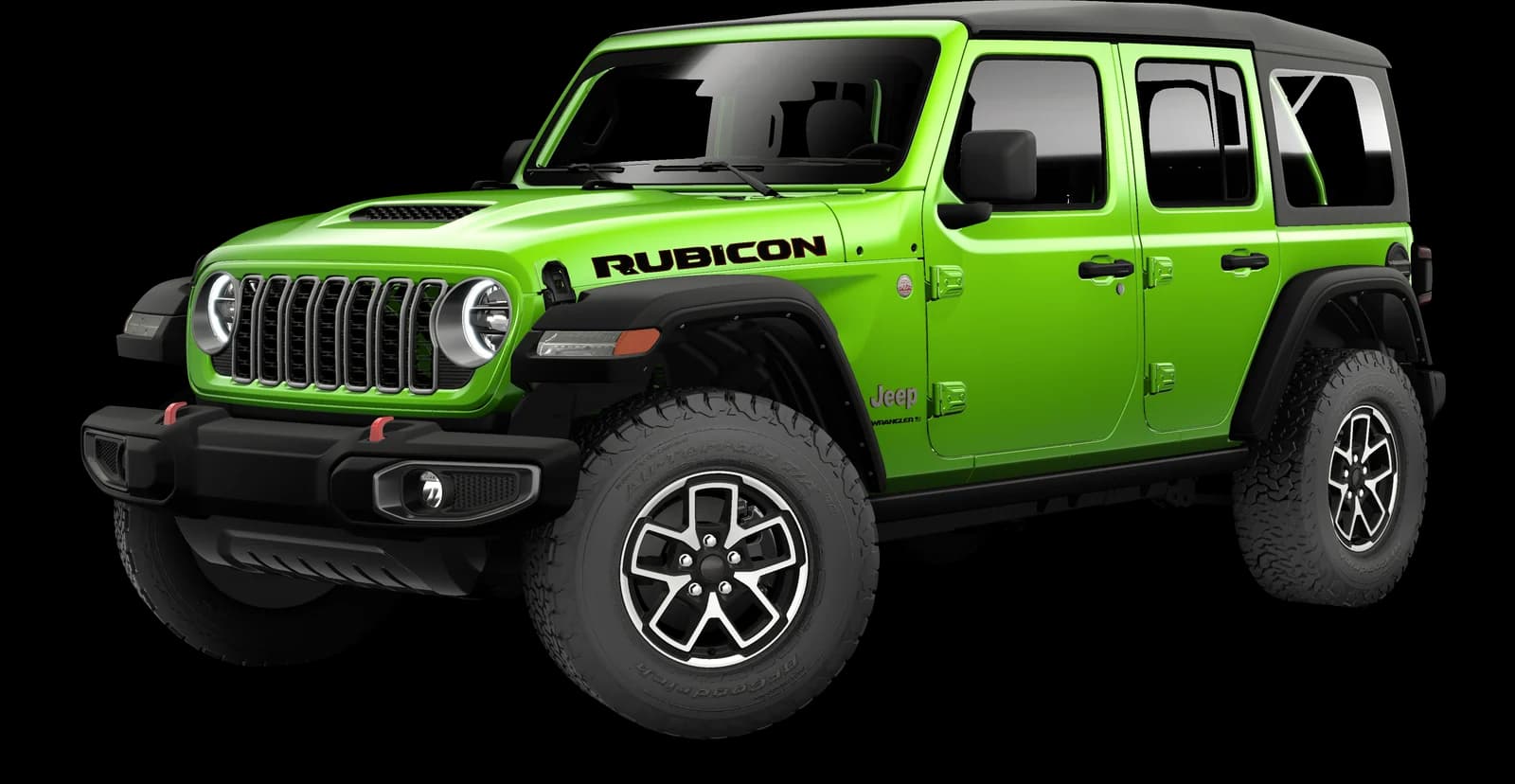
The Jeep Gladiator and Wrangler suit Ozark life: 4x4 on every trim, strong ground clearance for gravel access roads and river put-ins, and open-air options for float-trip season. The Gladiator's bed and up to 7,700 pounds of towing make it practical for a Table Rock boat. The Ram 1500 covers the broader truck market, from suburban Kansas City to Springfield, with 4x4 and plenty of engine choices.
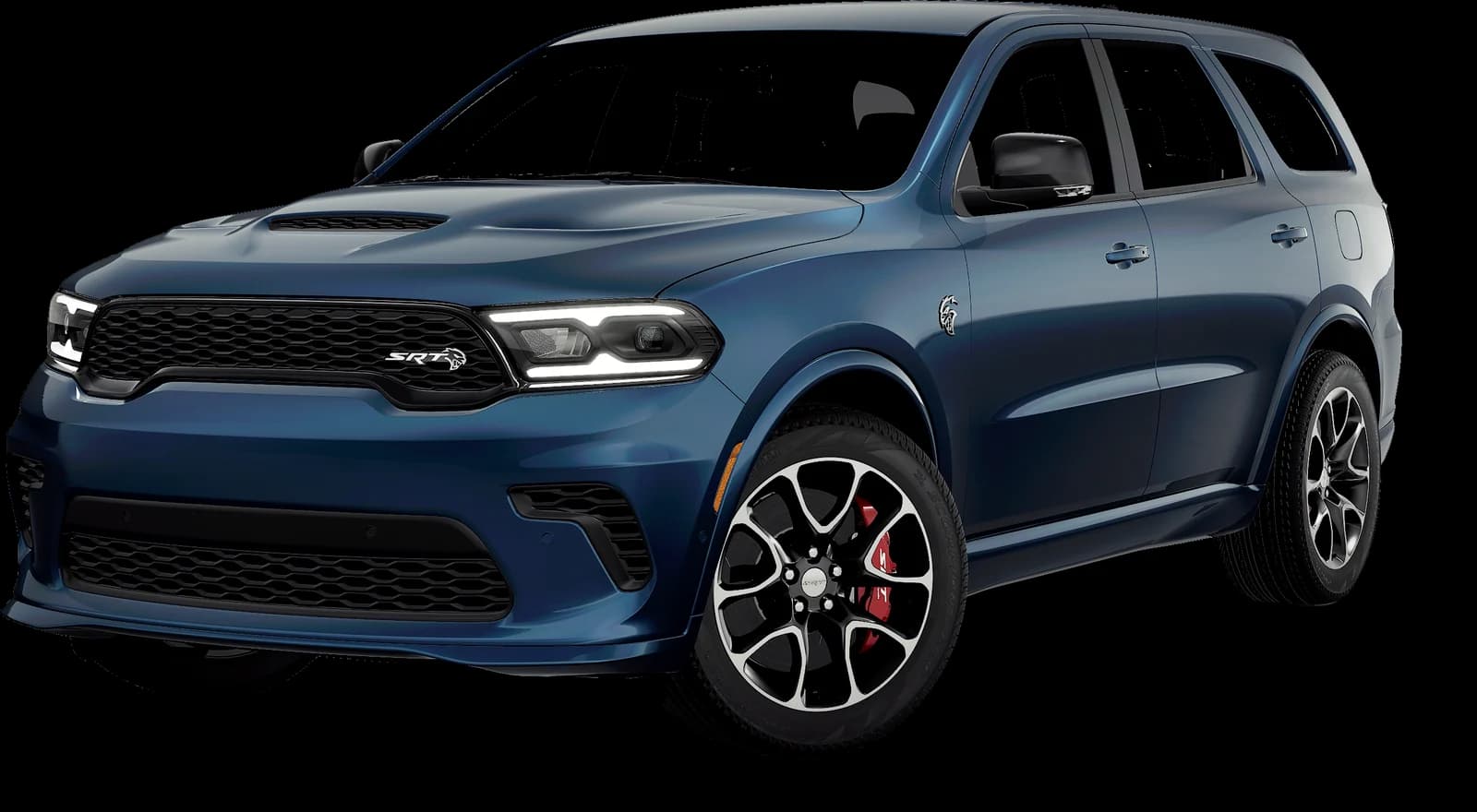
The Dodge Durango is a good three-row SUV for St. Louis and Kansas City families, with AWD standard on every 2027 trim and 7,200 pounds of towing, or 8,700 with Tow 'n Go. The Durango is built in Detroit, a few hundred miles up the road.
Equipment worth paying for in Missouri
Ice is the main winter concern, so traction and braking matter more than ground clearance. AWD or 4x4 plus good tires is the baseline, and a wiper de-icer (offered on some trims) helps on freezing-rain mornings. Remote start and heated seats are worth having, since cars in Missouri often start the day under a coat of ice.
If you tow to the lakes, order the factory tow package and a trailer brake controller. Hilly Ozark grades are hard on brakes and transmissions, and a tow/haul mode and engine braking help. Skid plates are worth having if your cabin or put-in is down a gravel road.
Ownership notes: salt, humidity and river roads
Missouri uses salt and brine in the cities and on interstates, and the humid summers do not help corrosion. Wash the underbody and keep drain holes clear, especially if the vehicle sits near a lake or river. After a float trip or boat ramp visit, rinse the hitch, wiring and brakes, since silt and water get into everything.
EV charging is good in St. Louis, Kansas City and along I-70 and I-44, and thinner in the Ozarks and the northern farm counties. Plan routes ahead if you are towing a trailer with an EV, as range falls sharply and chargers are not always trailer-friendly.
Missouri buyer FAQ
What is the best vehicle for Ozark roads?
A 4x4 with decent ground clearance and a tow rating that matches your boat or camper. The Gladiator, Wrangler and Ram 1500 all fit, and the Grand Cherokee is the more comfortable pick for mixed driving.
Do I need 4x4 in St. Louis or Kansas City?
AWD or 4x4 helps on ice and snow, and it is useful in the hilly parts of both metros. Front-wheel drive with winter tires works for many commuters, but the Midwest's occasional ice storms make AWD a comfort.
Can a Dodge Durango tow a boat to Lake of the Ozarks?
Yes. The GT AWD HEMI V8 is rated at 7,200 pounds, and up to 8,700 with Tow 'n Go. Check your boat and trailer weight and the Durango's payload before heading to the lake.
More Midwest guides