Midwest guides · MN
The Minnesota CDJR buyer's guide: built for -20°F mornings
Minnesota winters are cold enough to change how you buy a vehicle: block heaters, plug-in posts and 4x4 are normal. Here is what works in the Twin Cities, Duluth and the North Woods.
Our picks for Minnesota
Driving conditions: deep cold, lake-effect and long distances
Northern Minnesota regularly sees temperatures at or below -20°F, and the state's winters affect everything from battery life to tire pressure. The Twin Cities see heavy snow, long cold spells and extensive salt and brine use. Duluth adds Lake Superior's effect on weather and steep hills, and rural roads in the Red River Valley and southwestern Minnesota are exposed to blowing snow and ground blizzards.
Minnesota is also lake country, and boats, campers, fish houses and snowmobiles are part of the vehicle equation. Big lakes like Mille Lacs and Lake of the Woods draw anglers all winter, which means a lot of trucks on rural roads at dawn.
Recommended models for Minnesota, and why
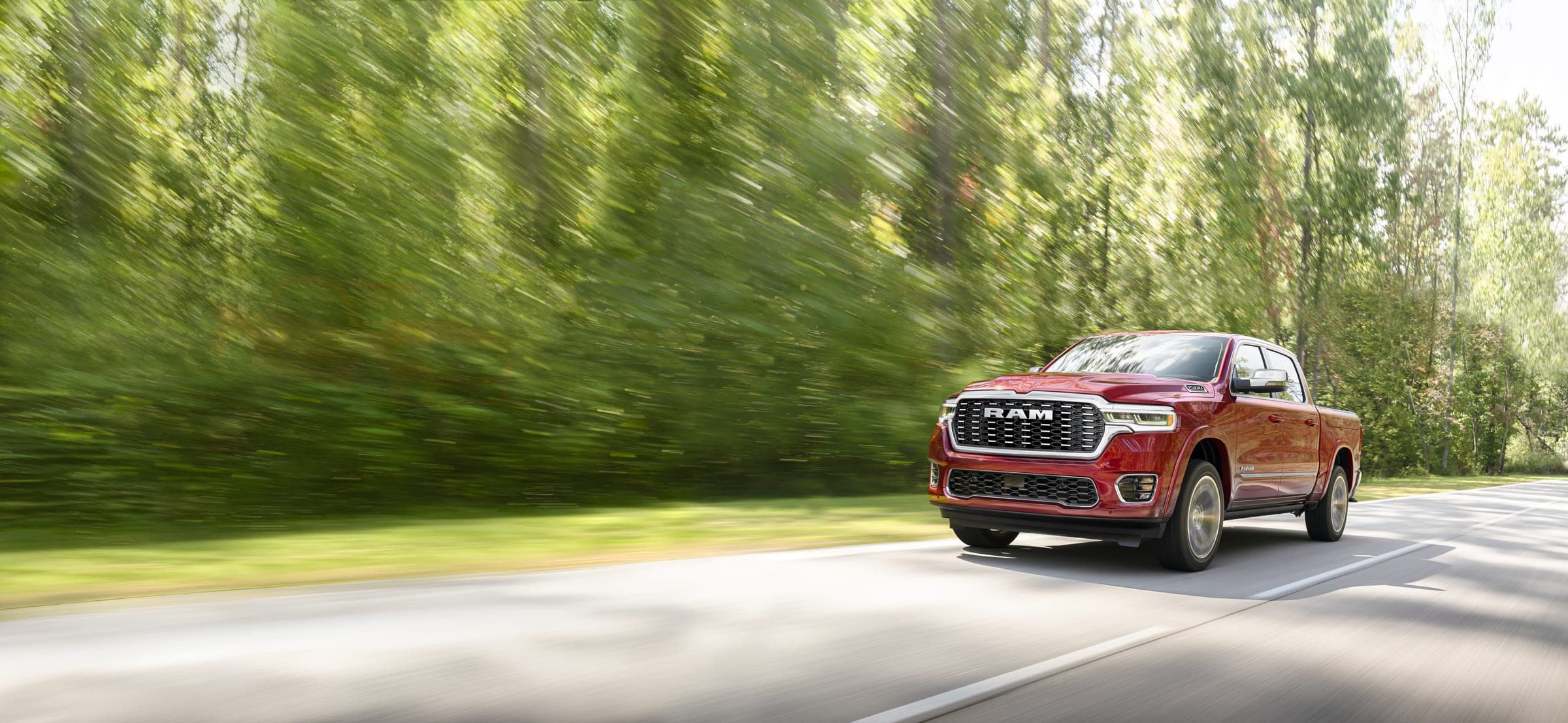
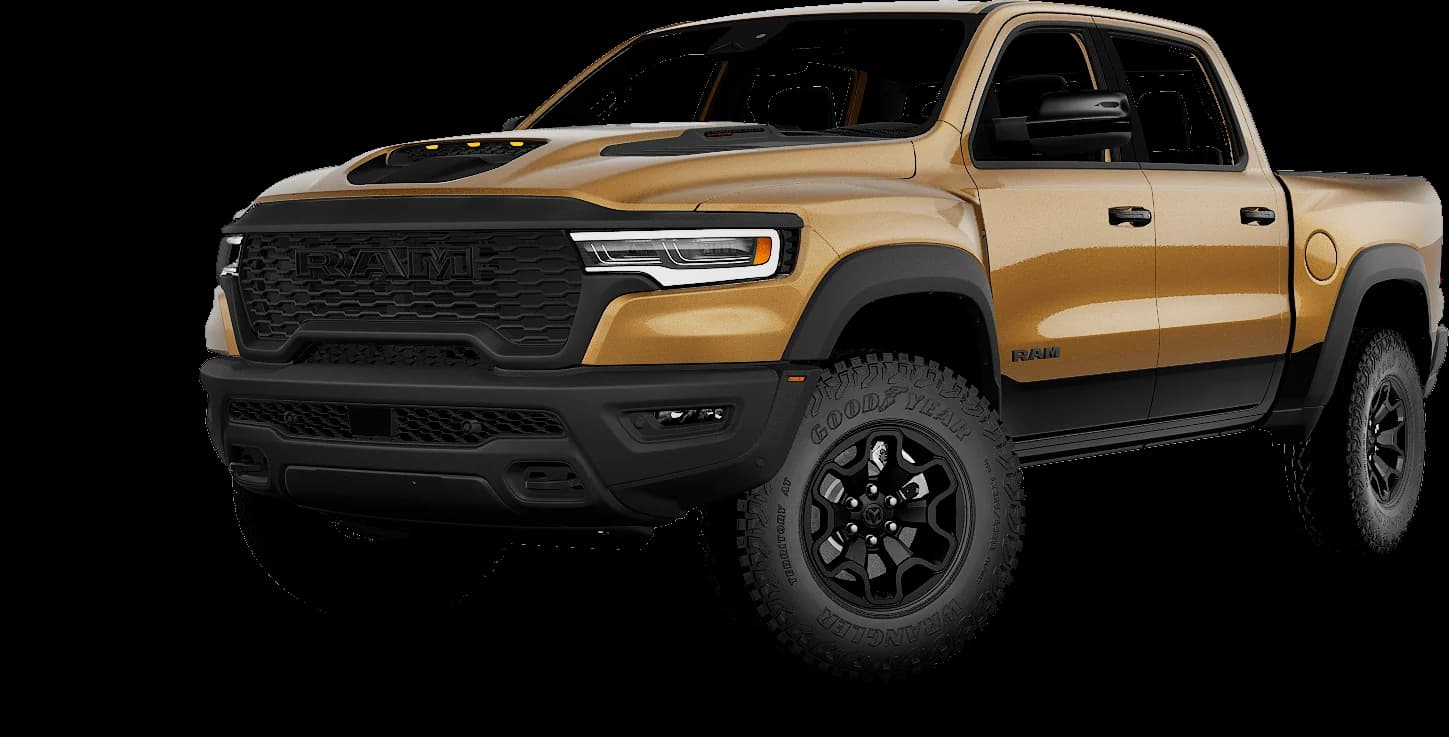
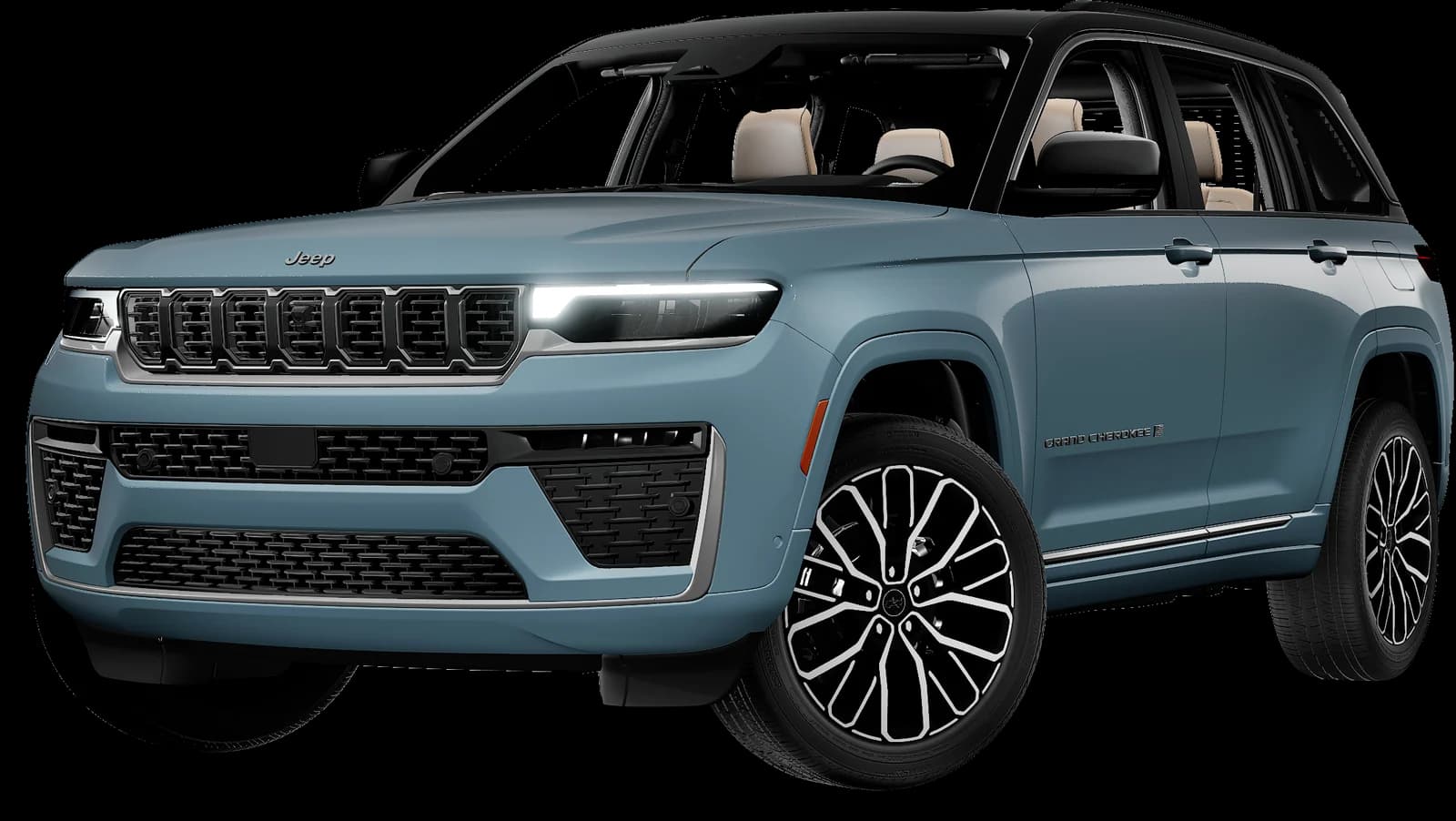
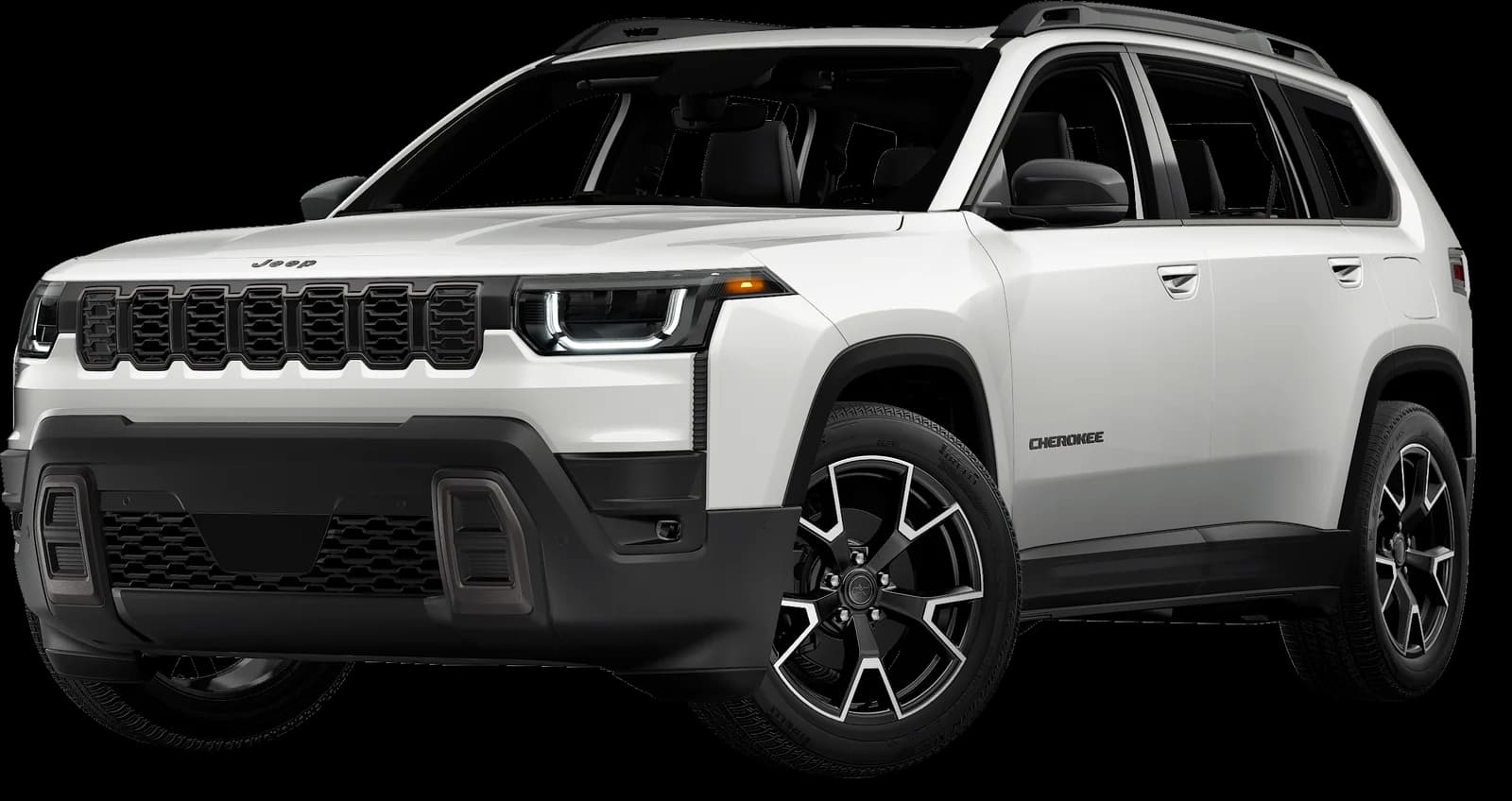
The Ram 1500 is the default Minnesota truck, with 4x4 and up to 11,530 pounds of towing for boats and snowmobile trailers. The Jeep Grand Cherokee is the family SUV, and the Jeep Cherokee hybrid is the practical commuter with 4x4 standard and no plug required, which matters in a Minneapolis apartment lot.
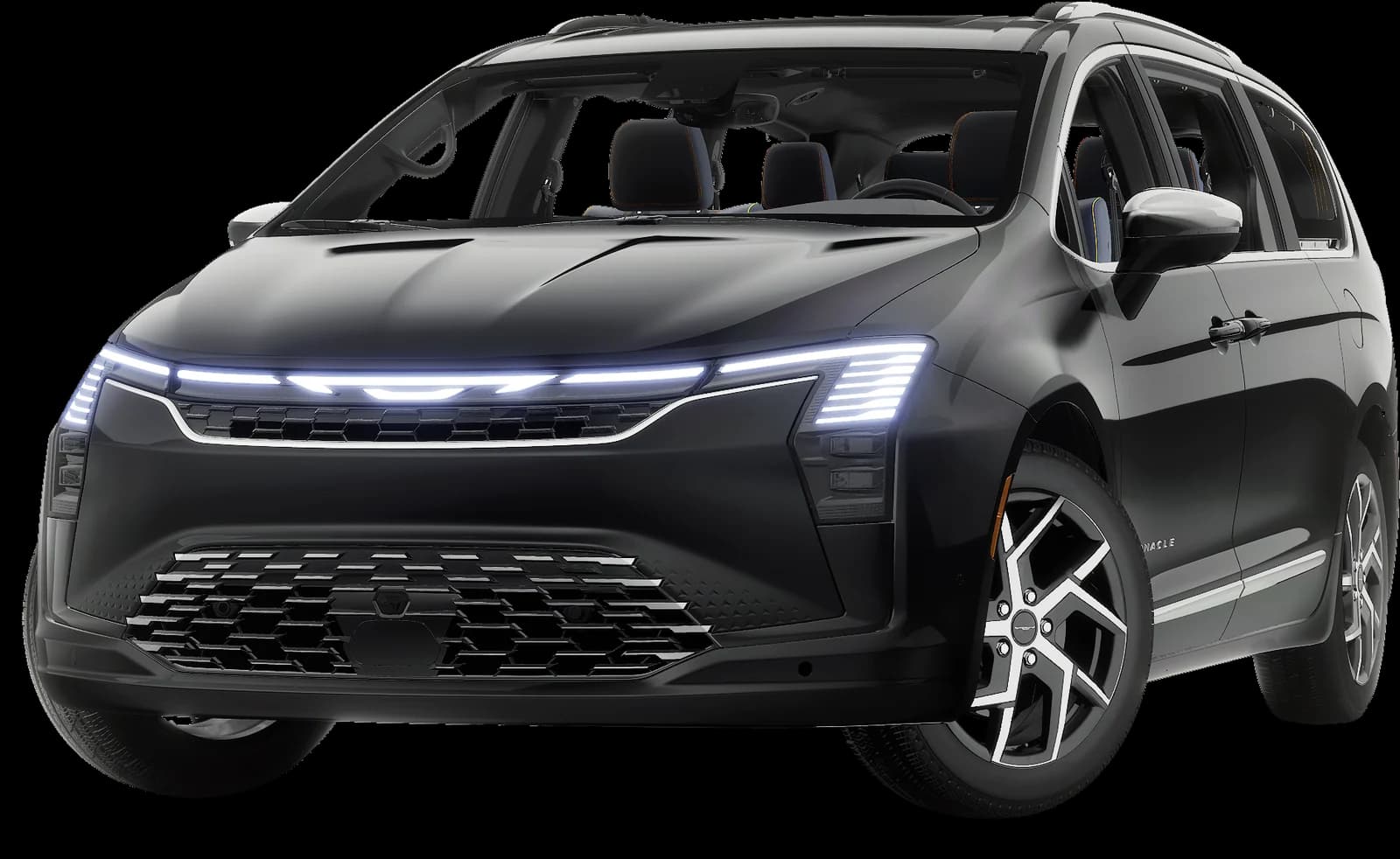
The Chrysler Pacifica with AWD (available on Select, Limited and Pinnacle) is a Twin Cities favorite for families, with Stow 'n Go seating, and the front-drive LX has heated seats and a heated steering wheel as standard. For deer-camp and cabin-country buyers, the Gladiator and Wrangler are strong options as well.
Equipment worth paying for in Minnesota
Block heaters are the single most Minnesotan option. Ask your dealer whether one is available or installed on the specific vehicle, since availability varies by engine and trim. Remote start, heated seats and a heated steering wheel are practical, and heated mirrors and wiper de-icers help with ice. Diesel buyers should look at cold-start features and check the manufacturer's guidance on diesel exhaust fluid, which freezes at about 12°F.
AWD or 4x4 is a baseline. Winter tires with the three-peak mountain snowflake marking make a bigger difference than the drivetrain. For plowing, Ram 2500 and 3500 pickups include snowplow prep wiring and a 220-amp alternator as standard equipment.
Ownership notes: salt, brine and plug-in culture
Minnesota uses a lot of salt and brine on roads, so rinse the underbody regularly in winter and consider rustproofing for long-term ownership. Use a battery tender if you store a vehicle for long periods and inspect hoses and belts before the first hard freeze.
Plug-in posts in parking lots and at workplaces are common, so a block heater is a normal accessory. EV owners should expect reduced range in deep cold, and the Recon and Wagoneer S estimates are best-case figures. Charging coverage is good in the Twin Cities and along I-94 and I-35, and thinner in the Iron Range and the northwest.
Minnesota buyer FAQ
Is the Jeep Compass good in Minnesota snow?
Yes for commuting. It has standard 4x4 and a turbo engine, and every trim lists remote start and heated front seats. With 8.1 inches of clearance and winter tires it handles plowed roads well, but deep unplowed snow is its limit.
Do Minnesota vehicles need block heaters?
Many drivers use them, especially in the northern half of the state and for diesels. Ask your dealer whether a block heater is available or installed on your vehicle, since options vary by engine.
What is the best Jeep for a North Shore trip?
The Grand Cherokee for comfort and 6,200 pounds of towing, the Gladiator for a truck bed and 4x4, or the Wrangler for gravel and trail use. Winter tires and a full tank matter on Highway 61 in January.
More Midwest guides