Buyer guide
Jeep 4x4 Systems Explained: Command-Trac to Quadra-Drive II
What Command-Trac, Selec-Trac, Rock-Trac, Quadra-Trac and Quadra-Drive II actually do, and which current Jeep uses which.
By the Midwest CDJR editors · Updated November 2, 2026 · 6 min read
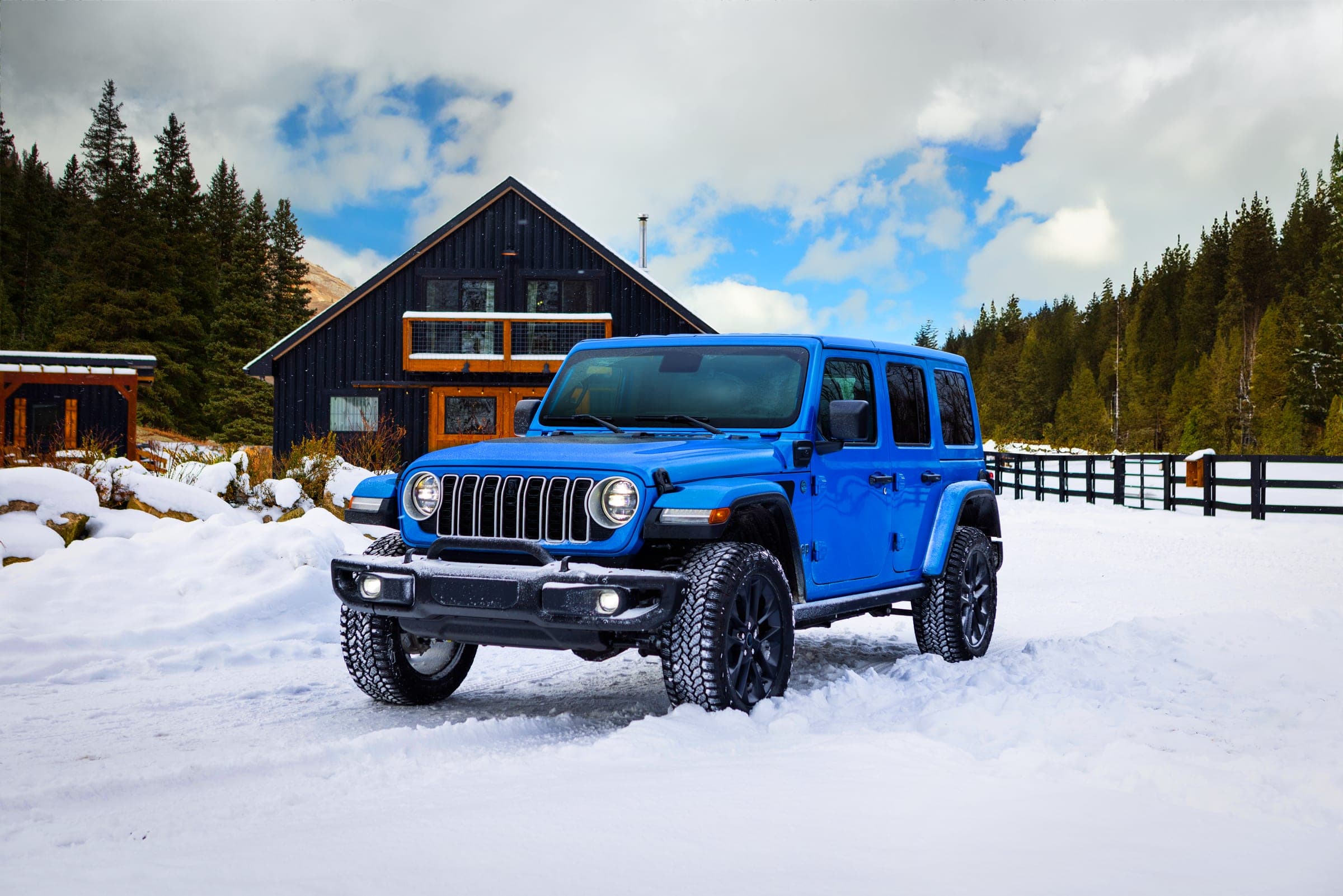
Jeep names its four-wheel-drive systems the way a hardware store names wrenches: there are a lot of them, they look similar, and the differences matter only when you need them. If you drive in the Midwest, you will need them at some point, probably on a snowy hill at the wrong hour.
This guide explains what each system does, which current Jeep models use it and how to choose. System availability varies by trim, so always confirm on the build sheet or window sticker for the exact vehicle.
Two basic ideas: part-time and full-time
Before the names, there are two concepts.
Part-time 4x4 sends power to the rear wheels by default and lets you lock in the front axle when you need it. Because the front and rear axles are locked together, it should not be used on dry pavement, where the system can bind in turns. On snow, ice, mud or gravel, it is fine and strong.
Full-time 4x4 or AWD can run on any surface. The system sends power to whichever wheels have grip, without you flipping anything. It is more convenient for daily winter driving on roads that switch between bare pavement and ice.
Many Jeeps add low range, a second set of gears that multiplies torque for crawling, climbing steep slopes and getting unstuck. It is a specialist tool, but one worth knowing about if you have a long unplowed driveway.
The systems at a glance
| System | Type | Low range | Where you will find it |
|---|---|---|---|
| Command-Trac | Part-time | 2.72:1 | Most Wrangler trims (standard on Sport); Gladiator Sport S, Willys, Mojave |
| Selec-Trac | Full-time, with part-time option | 2.72:1 | Wrangler (available); Gladiator Mojave (optional) |
| Rock-Trac | Part-time (full-time available) | 4.0:1 | Wrangler Rubicon and Rubicon X, Gladiator Rubicon |
| Quadra-Trac I | Full-time | None | Grand Cherokee (lower and middle trims) |
| Quadra-Trac II | Full-time | Two-speed transfer case | Grand Cherokee (tied to the announced Overland; confirm) |
| Quadra-Drive II | Full-time, active | 2.72:1 (Trailhawk transfer case) | Grand Cherokee Trailhawk and Summit |
| Active Drive / Active Drive II | Automatic AWD | None (Active Drive Low on Compass Trailhawk) | Compass, Cherokee |
Command-Trac: simple and strong
Command-Trac is the standard system on most Wranglers and Gladiators. It is a part-time setup with a 2.72:1 low range: you drive in 2WD on dry pavement, shift into 4-High for snow, ice or gravel, and use 4-Low for deep drifts and recovery. There is no trickery. It is a robust, simple system that has been proven in a lot of Michigan driveways.
On the 2027 Wrangler, Command-Trac is paired with solid Dana axles and is the standard system on the entry Sport. On the Gladiator, Jeep lists it for Sport S, Willys and Mojave trims.
The catch: because it is part-time, you do have to remember to use it. If a patch of dry pavement shows up, you switch back. For people who want to set it and forget it, there are other options.
Selec-Trac: for mixed winter roads
Selec-Trac adds an automatic full-time mode to the same 2.72:1 low-range hardware. In that mode the system runs in 2WD on dry roads for efficiency, then automatically engages four-wheel drive when it senses slip.
For a Wrangler that is a daily driver on Midwest roads, this is the one to consider. It is the system that behaves best on the road that is clear in the morning and icy at 4 p.m. It is available on the Wrangler. Note that Jeep's media spec sheet lists Selec-Trac as optional on the Gladiator Mojave, but the Gladiator pages on jeep.com list only Command-Trac and Rock-Trac for 2027, so confirm with your dealer if the Gladiator is your target.
Rock-Trac: the Rubicon system
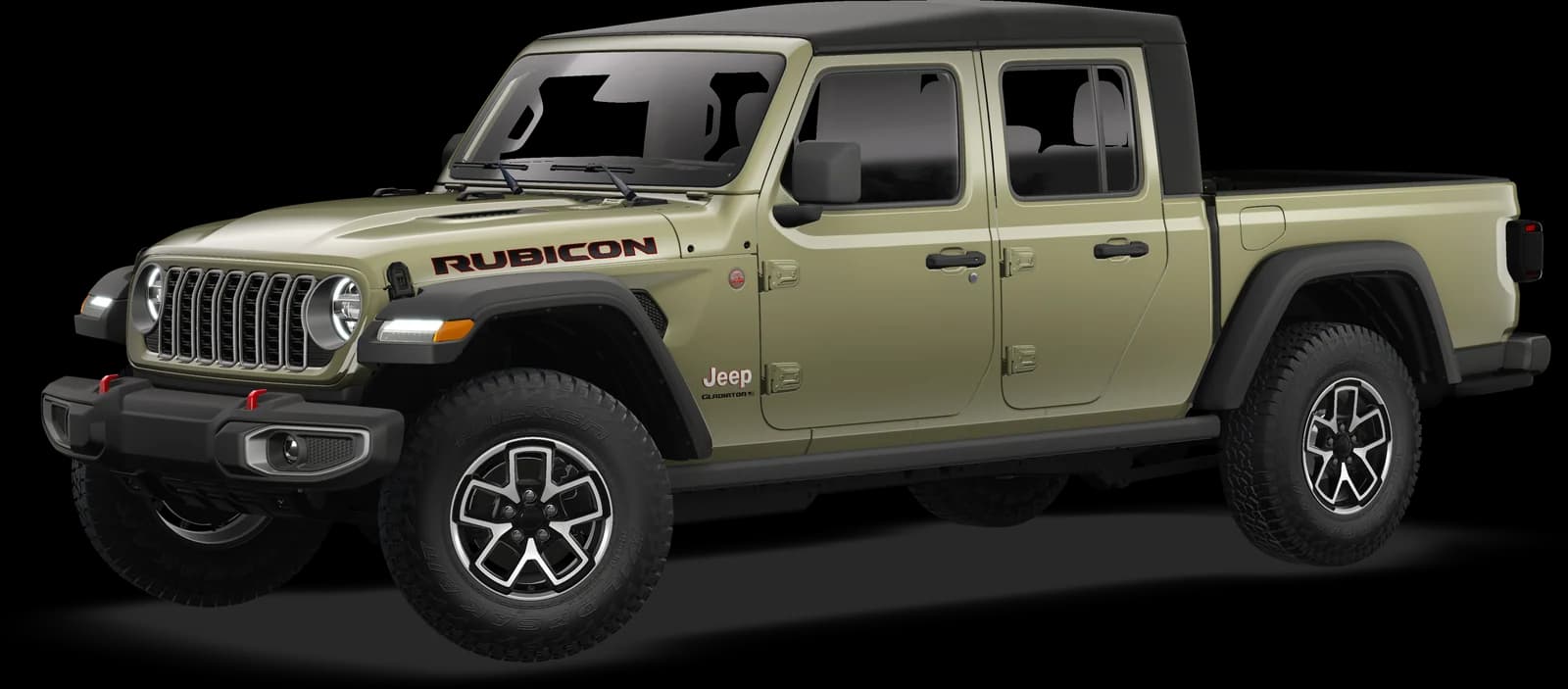
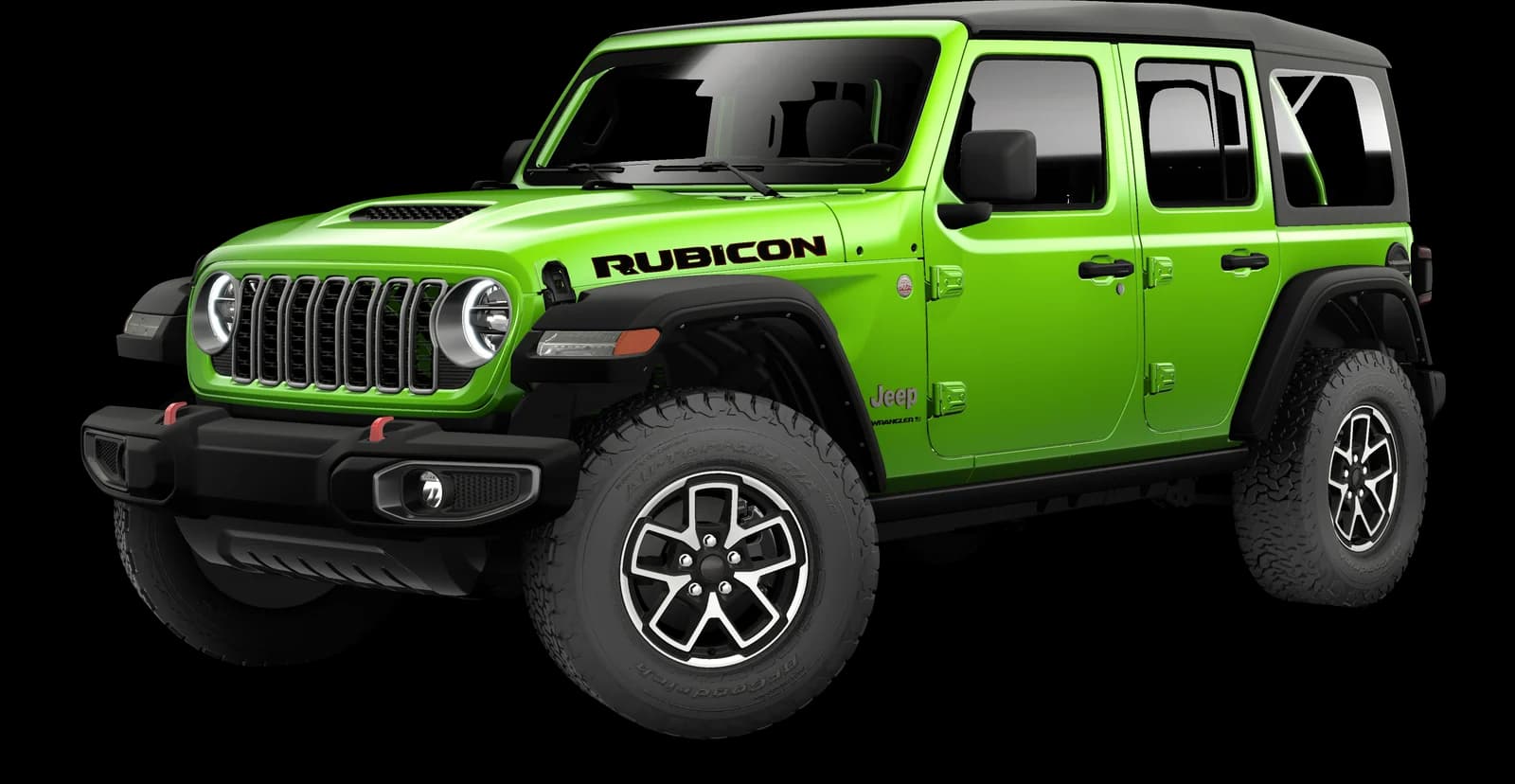
Rock-Trac is the heavy-duty option on the Wrangler Rubicon and Rubicon X, and on the Gladiator Rubicon. It uses a 4.0:1 low-range ratio, versus 2.72:1 for Command-Trac and Selec-Trac, which gives a much slower, stronger crawl. On a Wrangler, Jeep says it enables a crawl ratio of up to 100:1 when properly equipped. It is paired with electronic locking differentials and an electronic sway-bar disconnect on the Wrangler Rubicon.
Jeep says the Wrangler Rubicon comes with a part-time Rock-Trac standard and a full-time Rock-Trac available. Is it overkill for a Midwest winter? For most, yes. But if you plow your own long driveway, live up a steep hill or get stuck in a lake cabin lane every February, it's the system that doesn't flinch. Rubicon models also include heated front seats and a heated steering wheel as standard for 2027.
Quadra-Trac, Quadra-Drive: the Grand Cherokee family
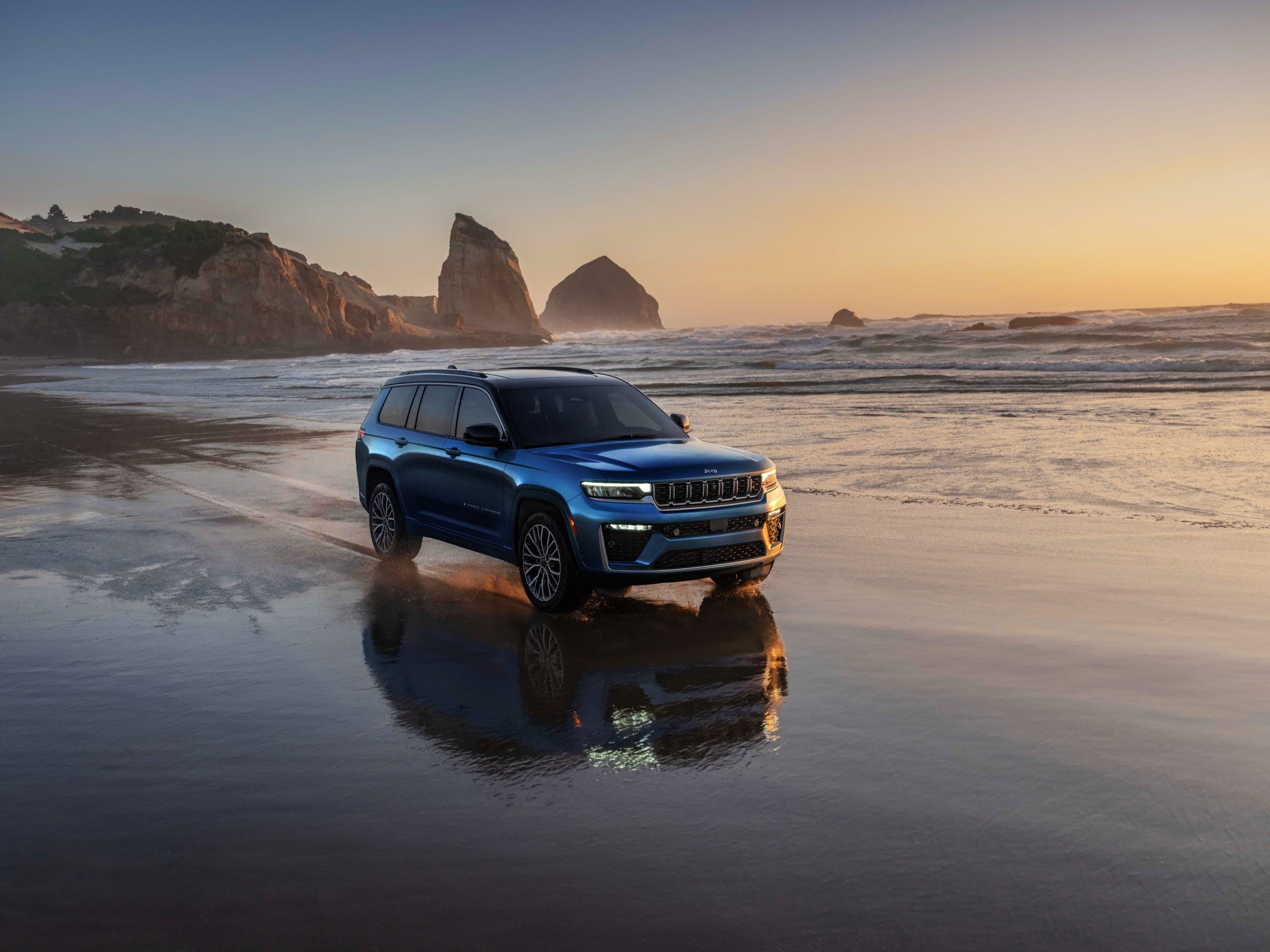
The Grand Cherokee uses a different family of systems, all full-time. Jeep's 2027 Grand Cherokee listings name two of these, with a third tied to the announced Overland:
- Quadra-Trac I stays engaged for dependable all-weather traction and pairs with a brake-lock differential. It has no low range. It is the simplest option and fine for plowed-road winter driving.
- Quadra-Trac II adds a two-speed transfer case and sensors that detect tire slip early. It has been tied to the Overland, which Jeep has announced but not yet put in its online configurator, so confirm it on the build sheet. Combined with the Selec-Terrain dial, it is a good match for drivers in lake-effect belts.
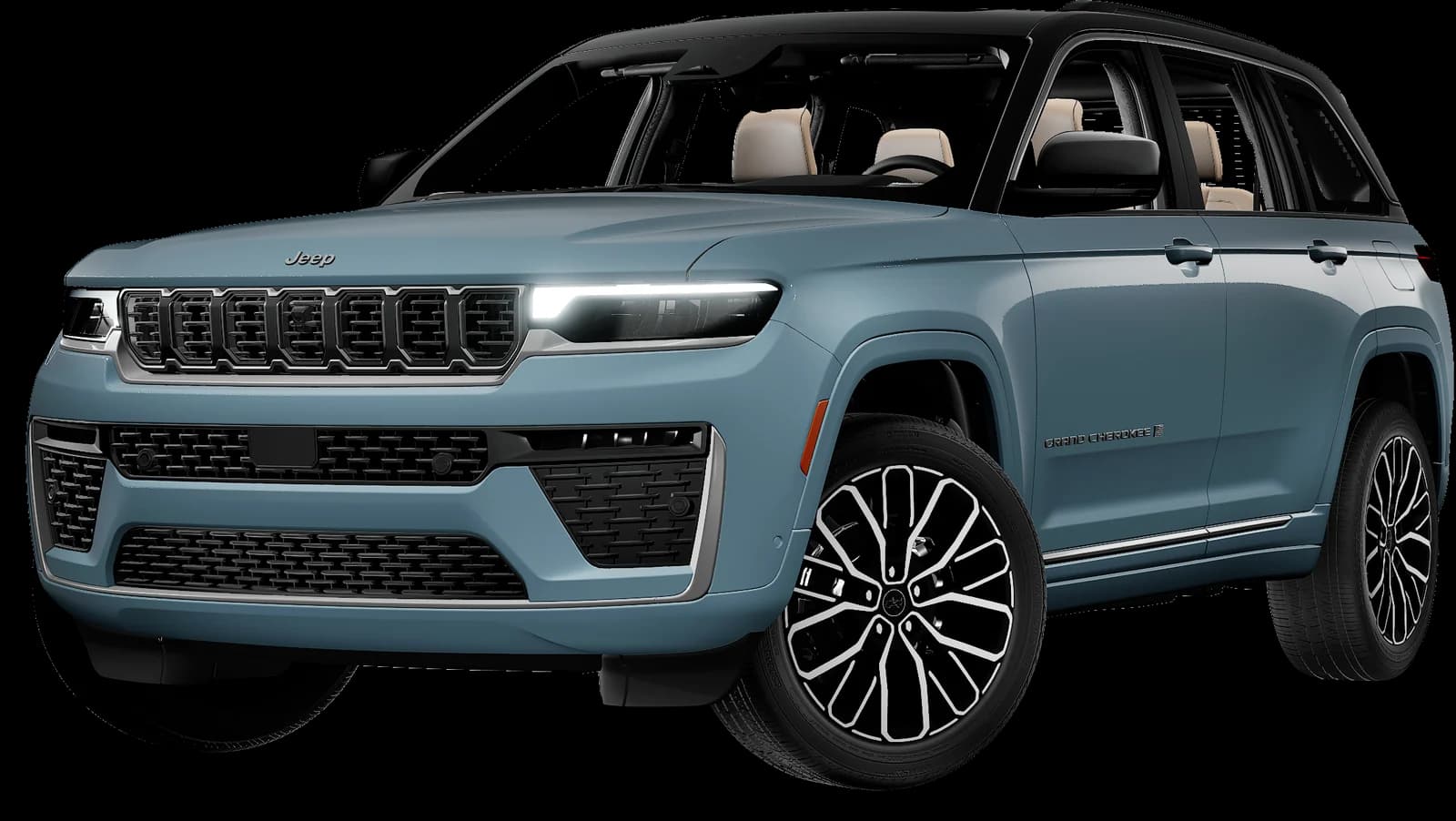
- Quadra-Drive II is the most rugged system on the Grand Cherokee, and Jeep fits it to the Trailhawk and Summit. The Trailhawk's two-speed transfer case has a 2.72:1 low range. It is the system for steep, slick grades.
Rear-wheel drive is also offered on the lower Grand Cherokee trims. If you live where it snows, avoid that choice.
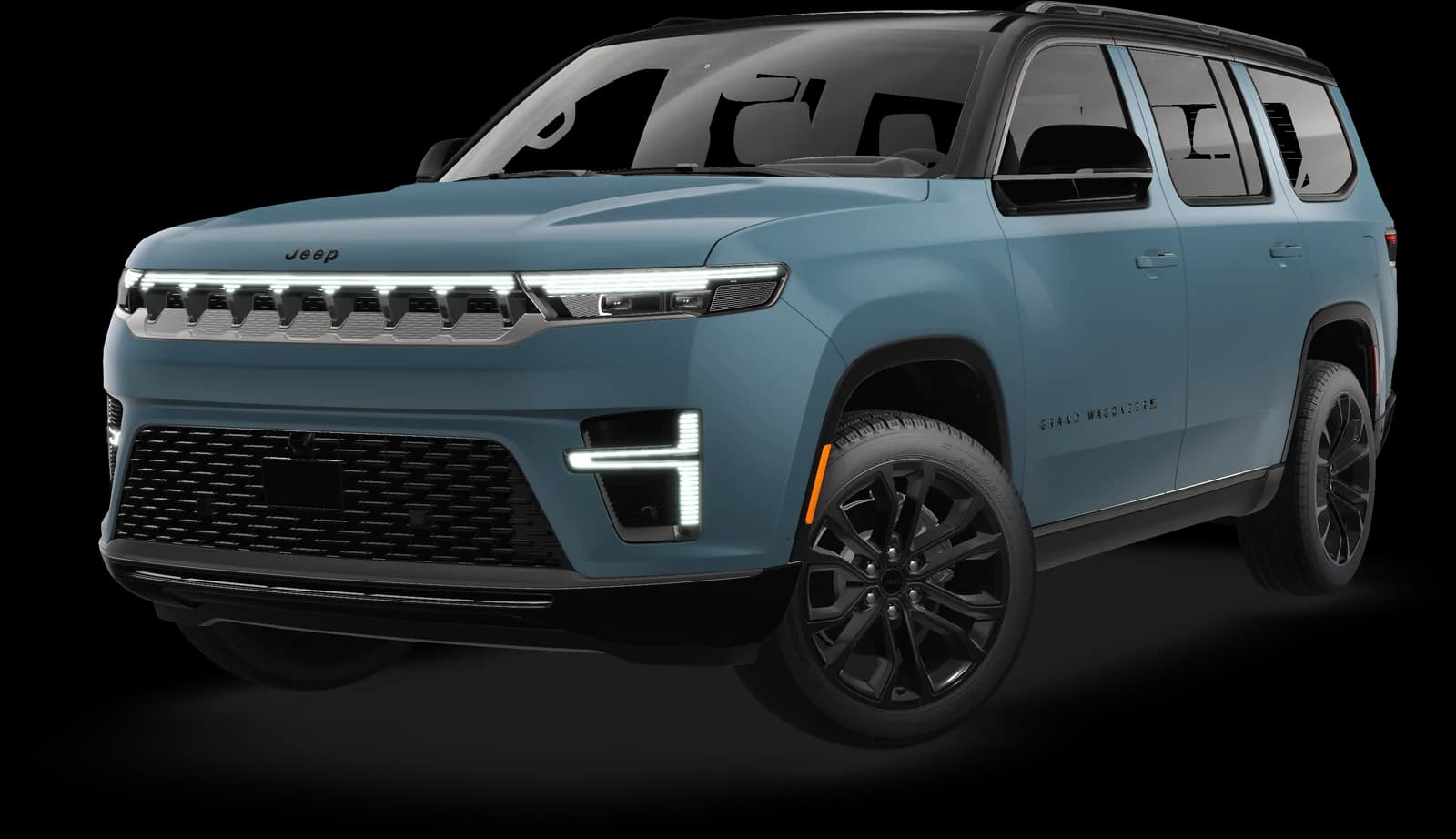
The Grand Wagoneer offers a standard 4x4 setup with Auto, Tow, Snow, Mud, Sand and Sport modes, plus an optional low-range system (2.64:1) that adds a Rock mode. Upland's HD Trailer Tow Package also includes a two-speed active transfer case and a rear electronic limited-slip differential. The base model can also be had in 4x2, so make sure you order the 4x4 if you live north of I-70.
Active Drive: Compass and Cherokee
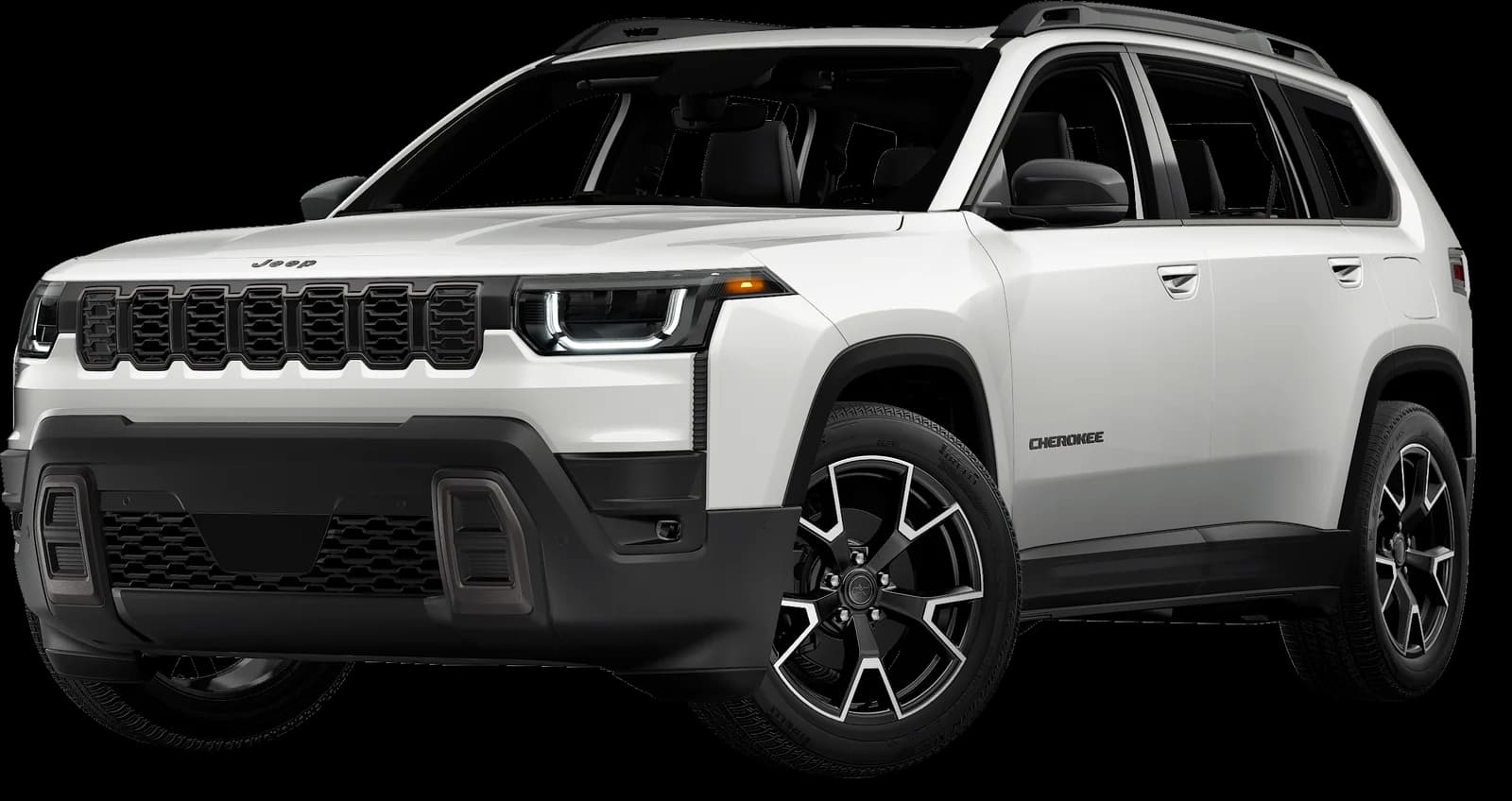
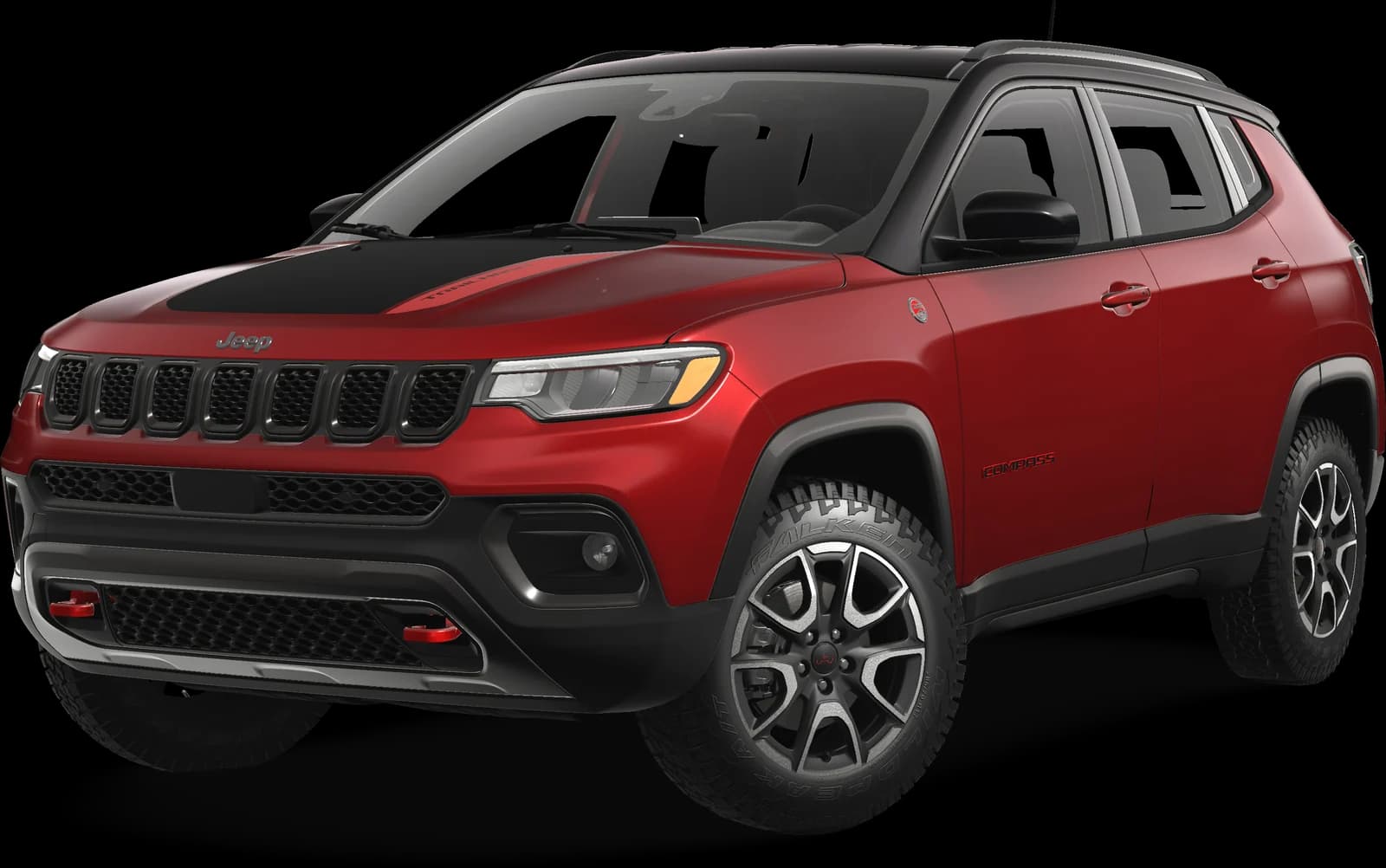
The smaller Jeeps use automatic systems. The Compass comes with Jeep Active Drive on every trim, and the Trailhawk adds an available Active Drive Low system with a 20:1 crawl ratio. The Cherokee uses Jeep Active Drive II as standard on all trims, and the announced Trailhawk adds a two-speed transfer unit with 2.92 low range and a 37.5:1 crawl ratio.
These are designed for snowy streets, wet gravel and light trails. They won't climb rock gardens, and they don't pretend to.
What about the electric Jeeps?
The Recon and Wagoneer S use front and rear electric motors, so the "transfer case" is software. Selec-Terrain adds Snow and Sand modes on both. The Recon also has a rear electronic locking differential. They are traction-capable, though cold weather affects range, so check our notes on that before buying.
Which one should a Midwest driver pick?
A few rules of thumb:
- City and suburban commuter, mostly plowed roads: Compass, Cherokee, or a Grand Cherokee with Quadra-Trac I. Automatic systems need no driver input.
- Rural or acreage owner with a long driveway: Wrangler or Gladiator. Consider Selec-Trac on the Wrangler for mixed roads.
- Lake-effect snow belt (West Michigan, northeast Ohio, northern Indiana): a Grand Cherokee with 4x4 or a Wrangler with Selec-Trac, plus winter tires.
- Trail and off-road use: Rubicon with Rock-Trac, or Grand Cherokee with Quadra-Drive II.
Whatever you choose, remember the limits of the hardware. A 4x4 helps you go and climb. It does not help you stop. Winter tires do that. See our state guides for Michigan and Ohio for how lake-effect snow changes the calculation.
Bottom line
Command-Trac is the simple, strong default. Selec-Trac is the better daily-driver choice for a Wrangler. Rock-Trac is for Rubicon buyers who want real crawl capability. Quadra-Trac I is the comfortable all-weather system for the Grand Cherokee, and Quadra-Drive II is the one to look for if your road is steep. Whichever you choose, verify the system on the specific vehicle before you buy.