Midwest guides · ND
The North Dakota CDJR buyer's guide: block heaters, ground blizzards and the long road to Williston
North Dakota is a state where plug-in posts, survival kits and 4x4 pickups are normal. Here is what works from Fargo to Bismarck and out to the oil patch.
Our picks for North Dakota

Driving conditions: cold, wind and empty miles
North Dakota winters are long and cold, with deep subzero stretches and wind that creates ground blizzards: snow blown across the road at low height that reduces visibility without any new snow falling. The Red River Valley around Fargo and Grand Forks is almost perfectly flat, so wind has nothing to slow it down. The state DOT's travel map is a daily tool in winter.
Distances are long: Fargo to Bismarck is roughly 190 miles of I-94, and the western oil patch near Williston is another few hours beyond. Gravel roads are common, traffic from heavy trucks can be intense in the oil patch, and towns are far apart.
Recommended models for North Dakota, and why
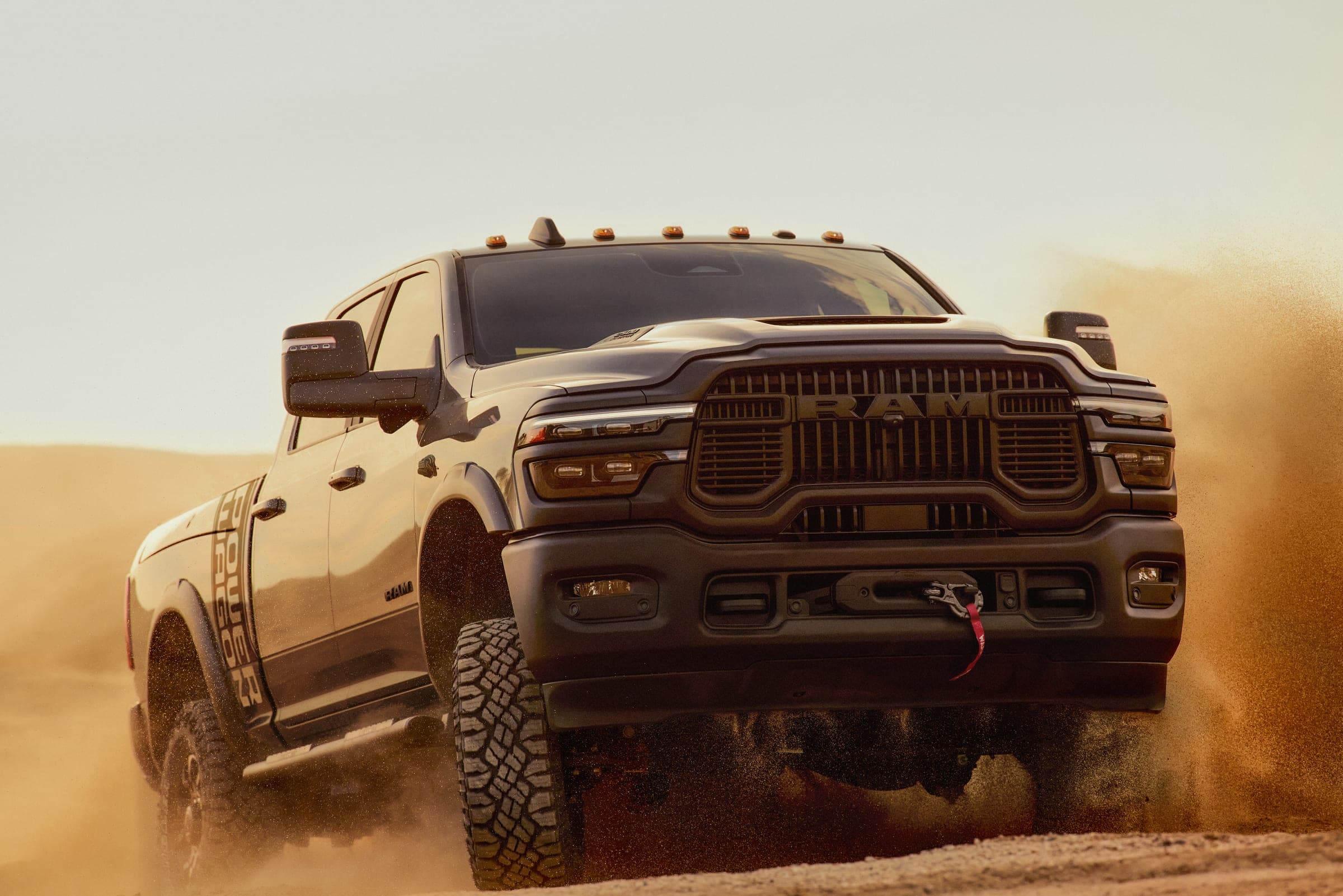
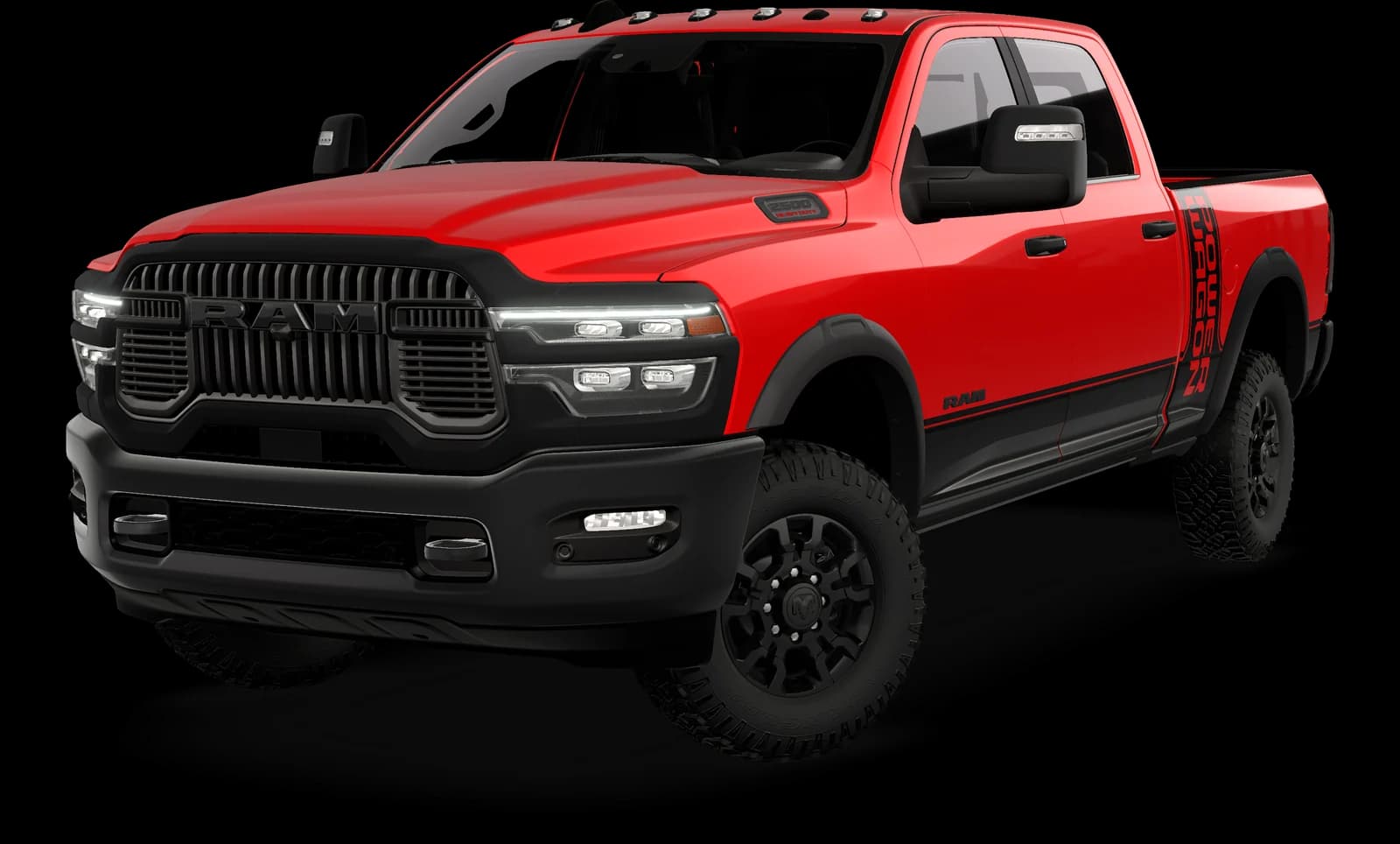
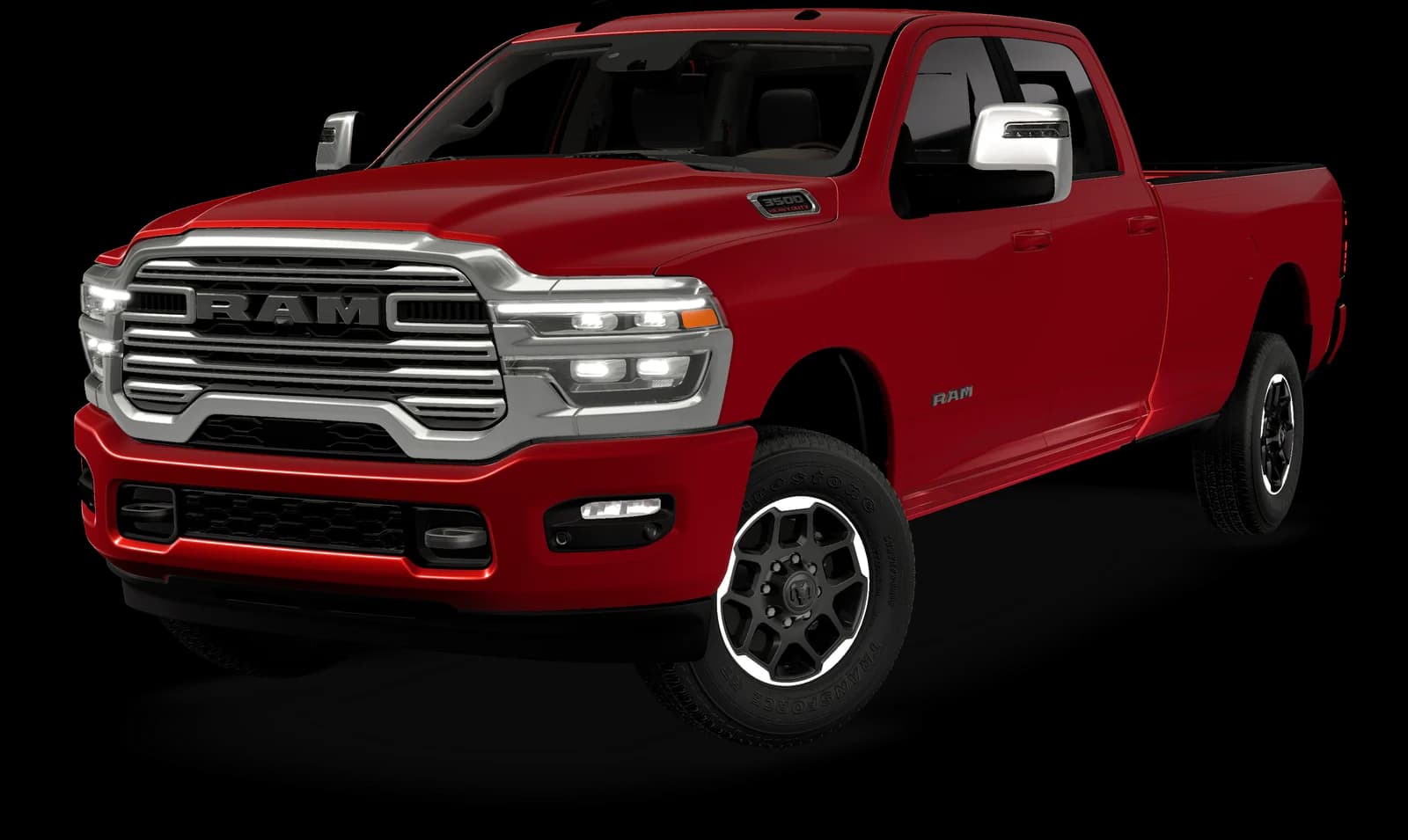
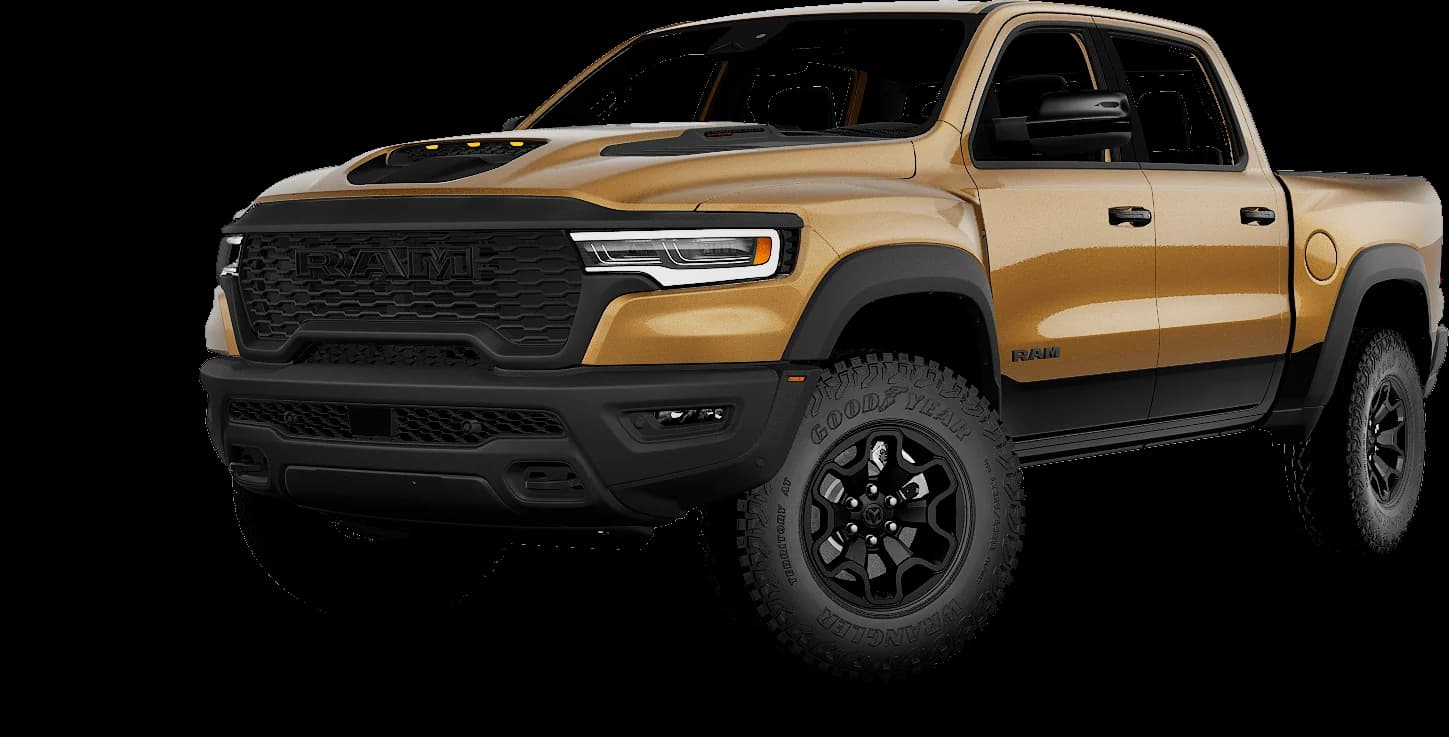
The Ram 2500 and 3500 are the workhorses here, with the Cummins diesel and up to 20,000 and 37,020 pounds of preliminary towing capacity on the two trucks. Both come with snowplow prep wiring as standard, and farmers and oilfield crews value the heavy-duty frames and brakes. The Ram 1500 is the lighter daily-driver truck for Fargo and Bismarck.
For a family vehicle, the Grand Cherokee with 4x4 covers daily needs and tows 6,200 pounds. The Ram Chassis Cab is worth a look for oilfield or farm service body buyers who need an upfit, with a heavy-duty snow plow prep group standard on the 3500 and available on the 4500 and 5500.
Equipment worth paying for in North Dakota
Block heater and remote start are the practical essentials. Ask your dealer about availability on your engine, and consider an engine oil heater or battery blanket for extreme cold. Heated seats, heated steering wheels and heated mirrors make winter driving less miserable. Diesel buyers should confirm cold-start features and fuel additive guidance, and be aware that diesel exhaust fluid freezes at about 12°F.
Four-wheel drive, a full-size spare, a shovel, blankets, water, food and a charged phone cable are the equipment that matters most. For plowing, look at the Ram 2500 and 3500's standard snowplow prep and the optional transfer case skid plate.
Ownership notes: plugging in, gravel and distance
Plugging in your vehicle overnight is routine from November to March, so install a heavy-duty outdoor cord and outlet. Keep fuel above half a tank in winter, since a stuck vehicle needs to run its heater. Gravel and road salt are both hard on paint, so consider protective film and regular washes.
Charging infrastructure for EVs is strongest along I-94 and I-29 and in the larger cities, and very thin elsewhere. In deep cold, any EV's range drops significantly, so an EV is better as a second vehicle than a primary one in rural North Dakota.
North Dakota buyer FAQ
Do I need a block heater in North Dakota?
Most drivers use one or plug in some other way, especially for diesels and in the coldest stretches of winter. Ask your dealer what is available or installed on your specific engine.
What is the best truck for the Bakken oil patch?
The Ram 2500 or 3500 for pickup duty, or a Ram Chassis Cab for a service-body upfit. Choose diesel for heavy towing and idle-heavy work, and confirm GVWR and payload before adding a body.
What should I keep in a North Dakota winter vehicle?
A shovel, blankets, water, snacks, a flashlight, jumper cables or a battery pack, and a phone charger. Keep the fuel tank above half and tell someone your route before long rural drives.
More Midwest guides