Buyer guide
Best Jeep and Dodge SUVs for Midwest Winters
Which Jeep and Dodge SUVs handle salt, ice and unplowed county roads, with ground clearance, 4x4 systems and tow ratings compared.
By the Midwest CDJR editors · Updated November 2, 2026 · 6 min read
Most Midwest winter driving is not a blizzard. It is a Tuesday in January with six inches of snow, a half-plowed road, a freezing-rain glaze on the overpass and a school drop-off at 7:40. The right SUV for that is not necessarily the one with the most rugged badge. It is the one that gets going on a slick hill, stops reasonably well, has heat that works fast and does not make you dread the commute.
Here is how the current Jeep and Dodge lineup stacks up for that kind of winter, from Minneapolis to Cincinnati.
Start with tires, then drivetrain
An honest guide to winter SUVs has to say this first: tires matter more than the drivetrain. Four-wheel drive helps you accelerate and climb. It does very little to help you stop or turn on ice. A vehicle on winter tires with the three-peak mountain snowflake marking will outperform a 4x4 on worn all-season tires in most real conditions.
Budget for a second set of wheels and tires, and swap them in November. Then pick the drivetrain.
Two terms get used loosely. All-wheel drive and full-time four-wheel drive systems run without driver input and are what most people want on pavement. Part-time 4x4 systems, like the Wrangler's Command-Trac, are built for low-traction surfaces and offer a low-range gear for deep snow or stuck recovery. Both work; they suit different drivers.
The short list
| Model | Drivetrain | Ground clearance | Max tow | Seats | Starting MSRP* |
|---|---|---|---|---|---|
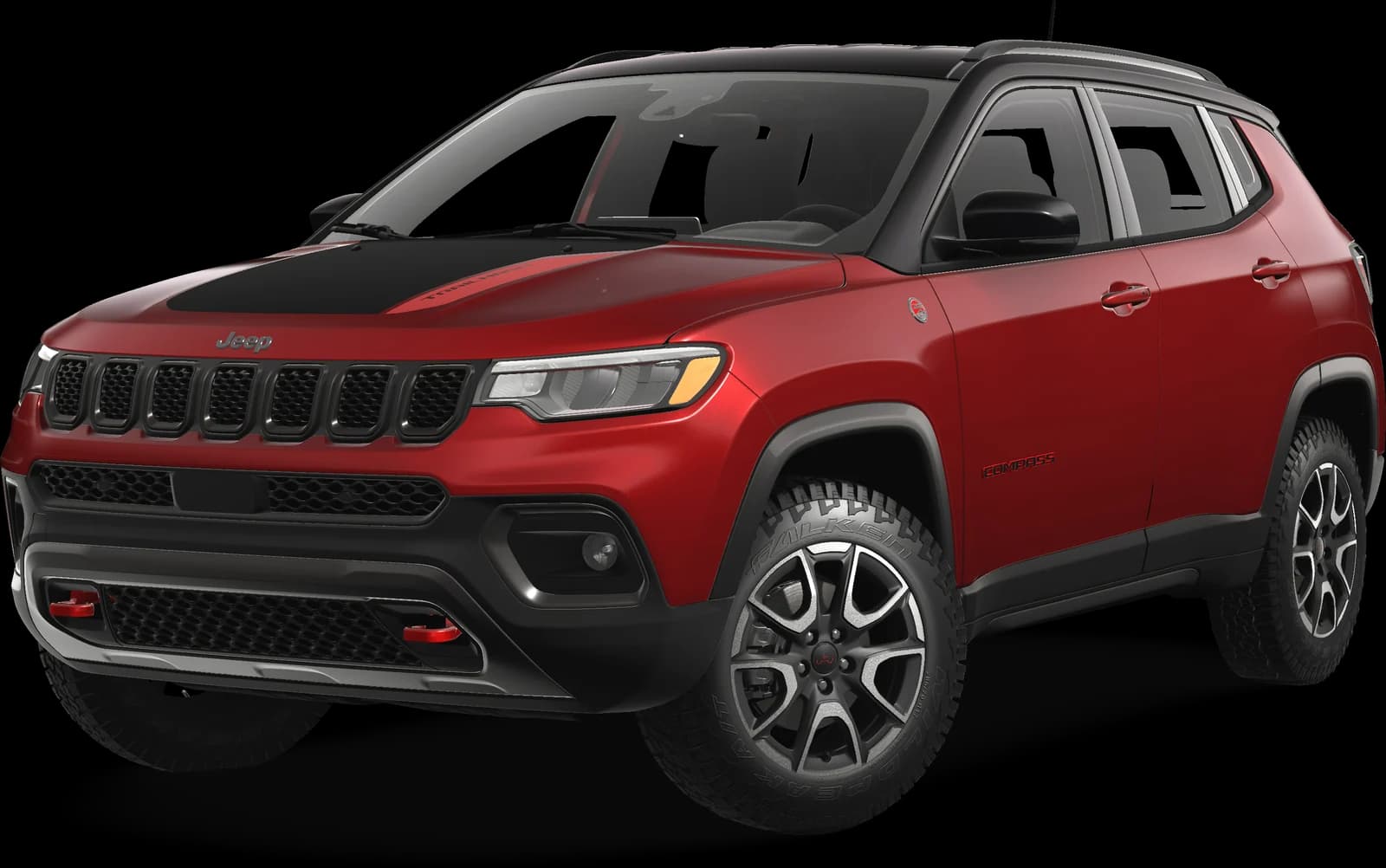
| Jeep Compass | 4x4 standard | 8.1 in | 2,000 lbs | 5 | $29,990 |
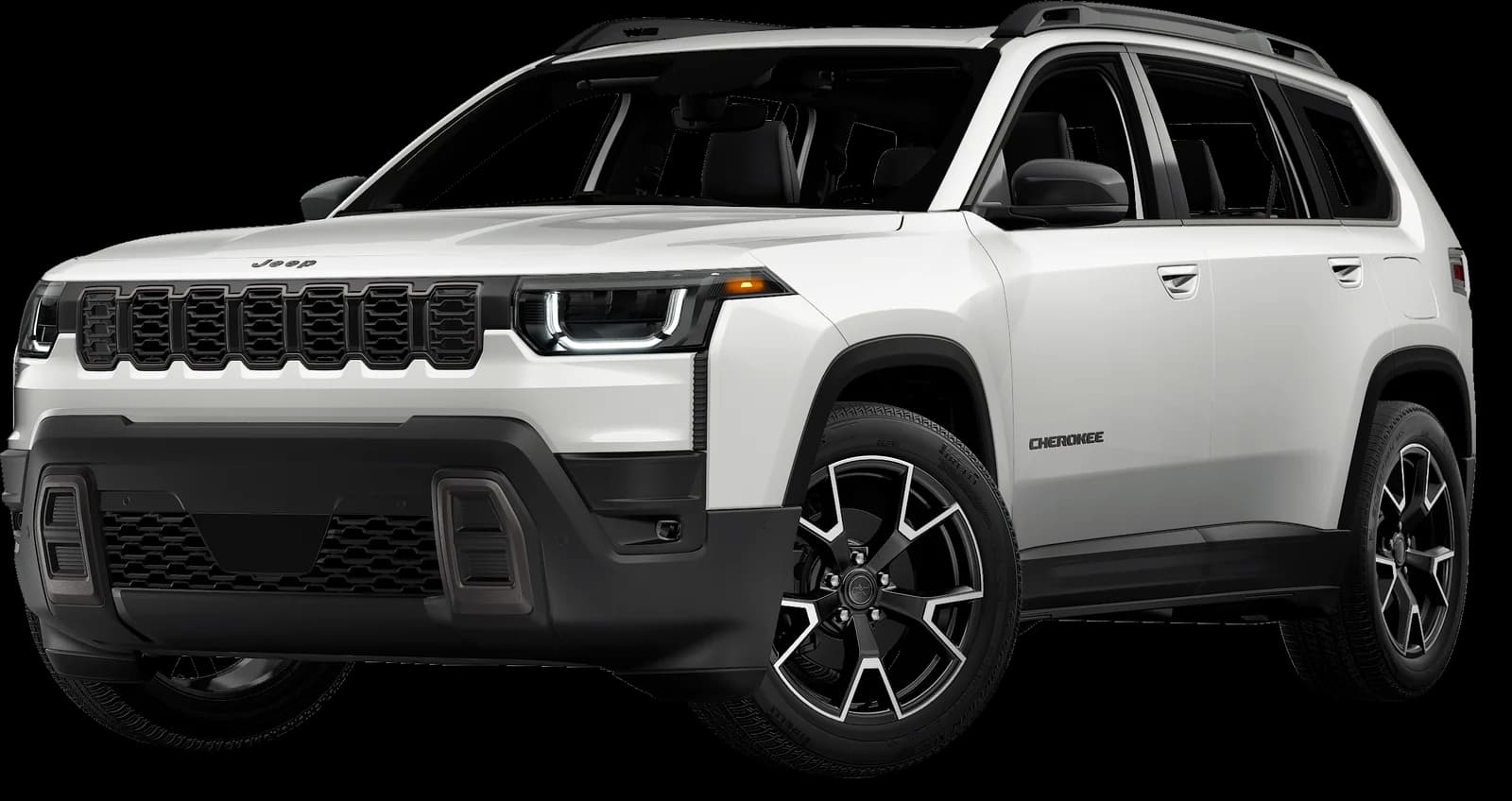
| Jeep Cherokee | 4x4 standard, hybrid | 9.0 in (Trailhawk) | 3,500 lbs | 5 | $35,130 |
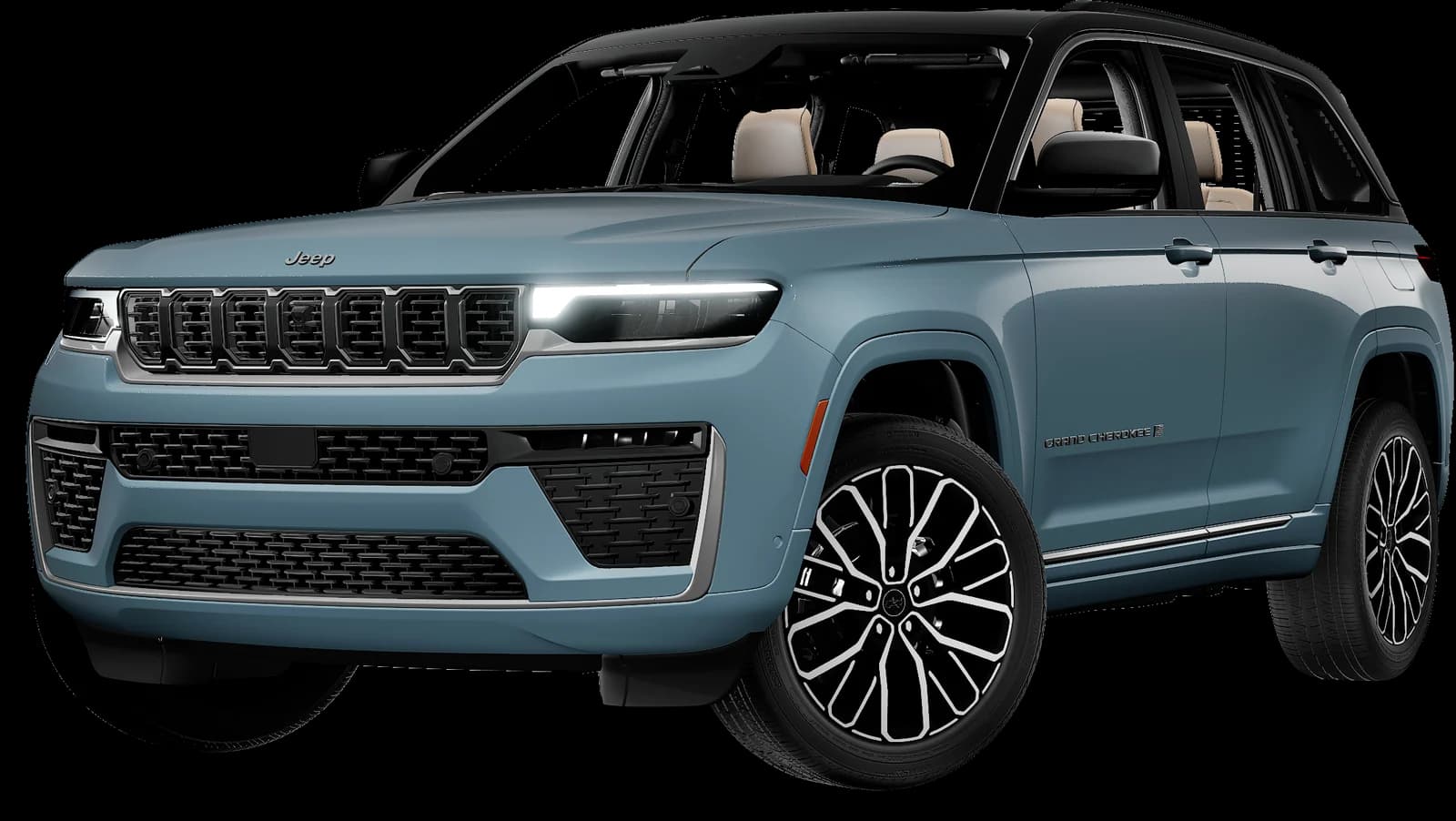
| Jeep Grand Cherokee | 4x4 optional on most trims | 8.4 in (up to 11.4 Trailhawk) | 6,200 lbs | 5 (6 to 7 on the L) | $39,730 (L: $41,730) |
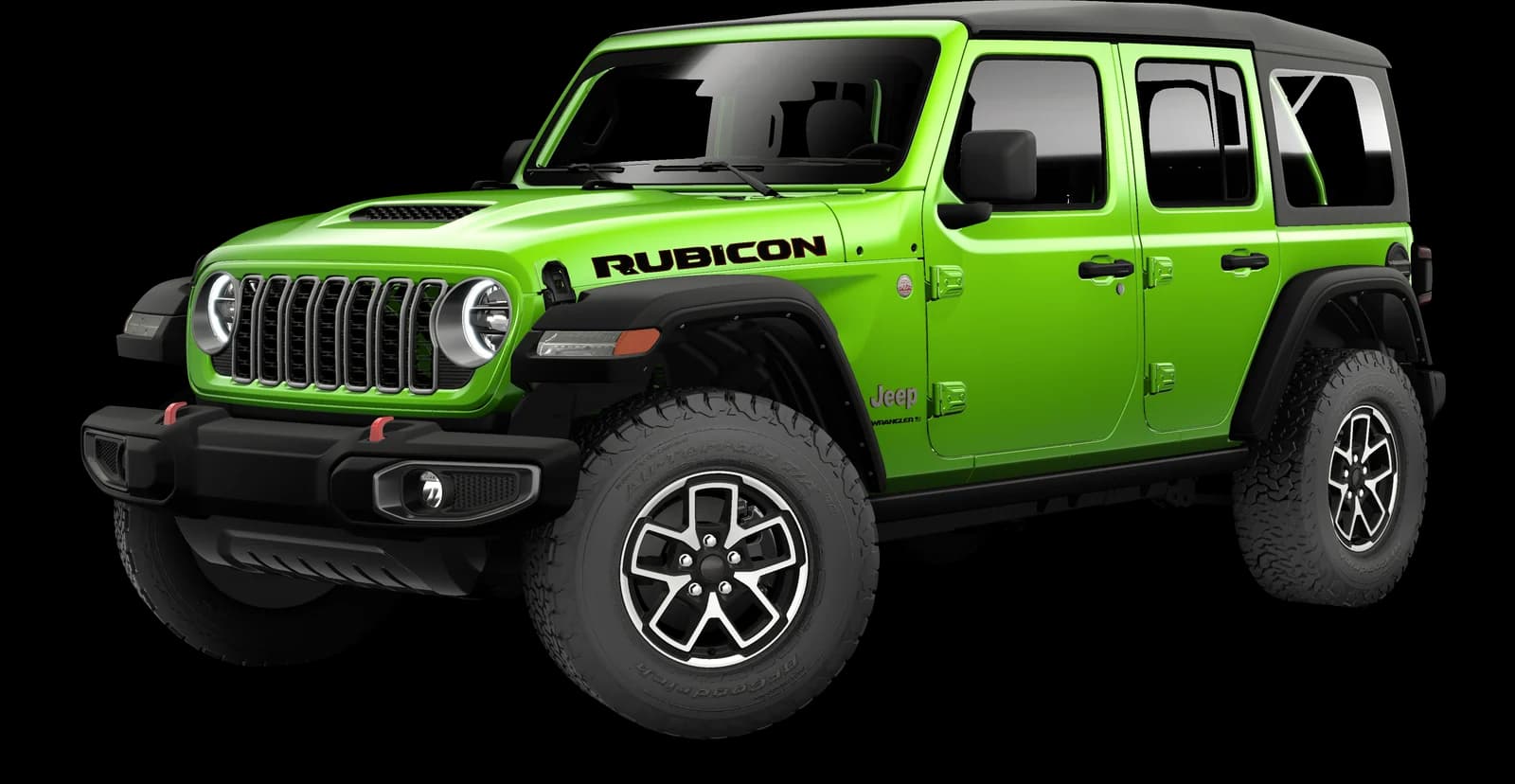
| Jeep Wrangler | 4x4 standard | 9.7 to 12.9 in | 3,500 lbs (5,000 on 4-door Rubicon) | 4 to 5 | $36,635 |
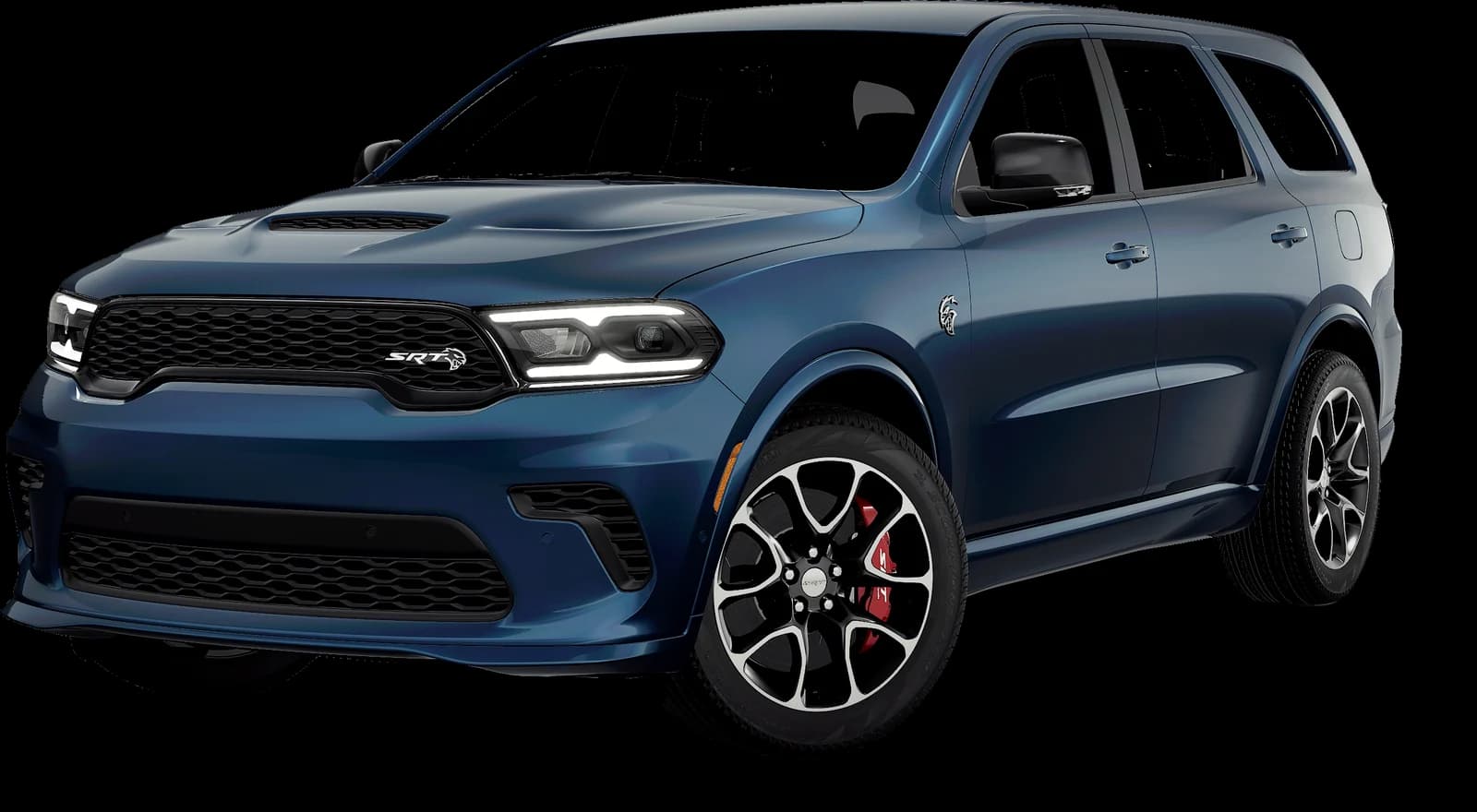
| Dodge Durango | AWD standard | 7.8 to 8.0 in | 7,200 lbs (8,700 with Tow 'n Go) | 5 to 7 | $43,875 |
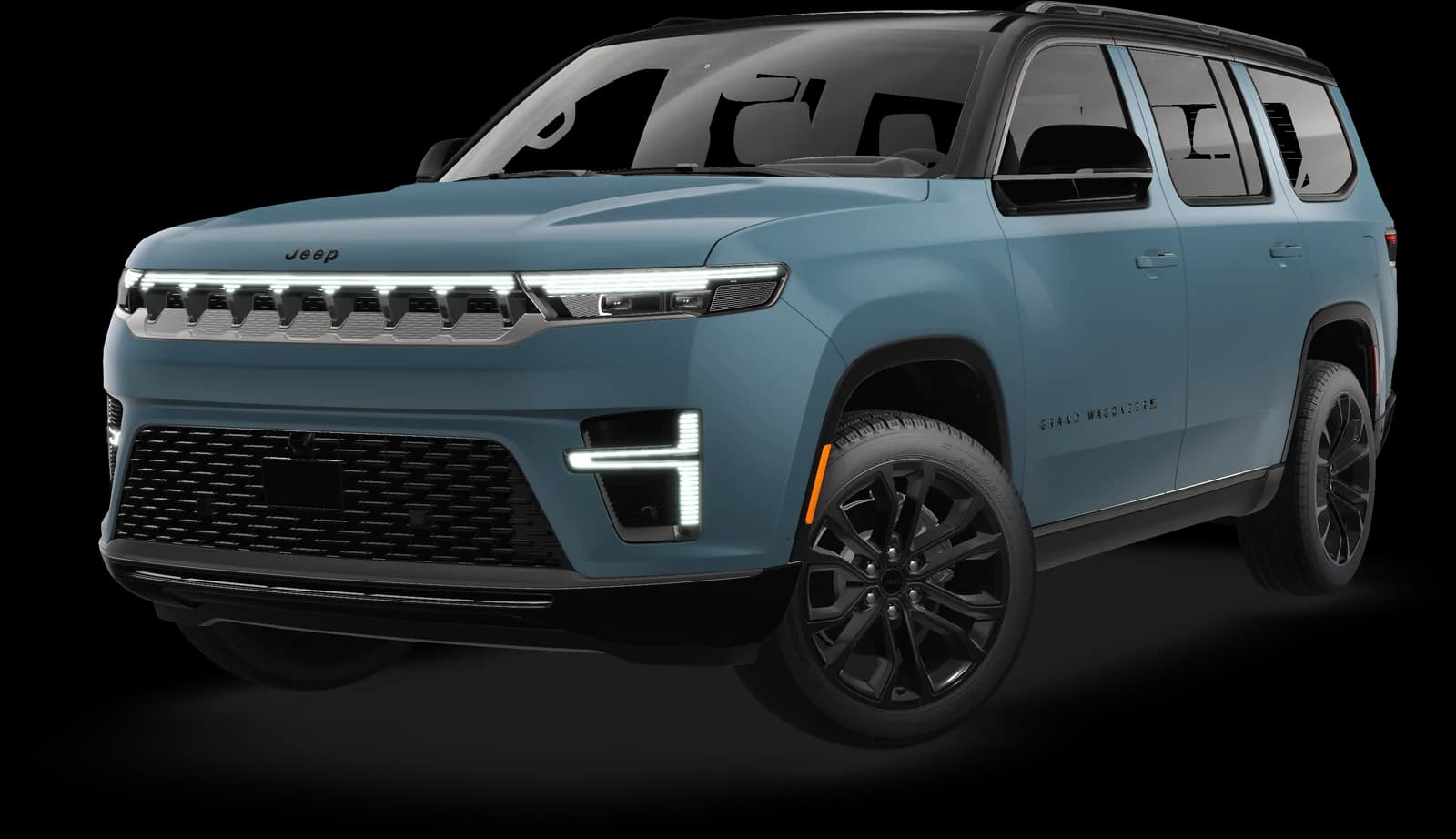
| Jeep Grand Wagoneer | 4x2 or 4x4 | 7.4 in | 10,000 lbs (4x4) | 7 to 8 | $65,000 (2027) |
*Base-trim prices before destination, as published by the manufacturer in 2026. Prices change; confirm with a dealer.
Jeep Grand Cherokee: the best all-rounder
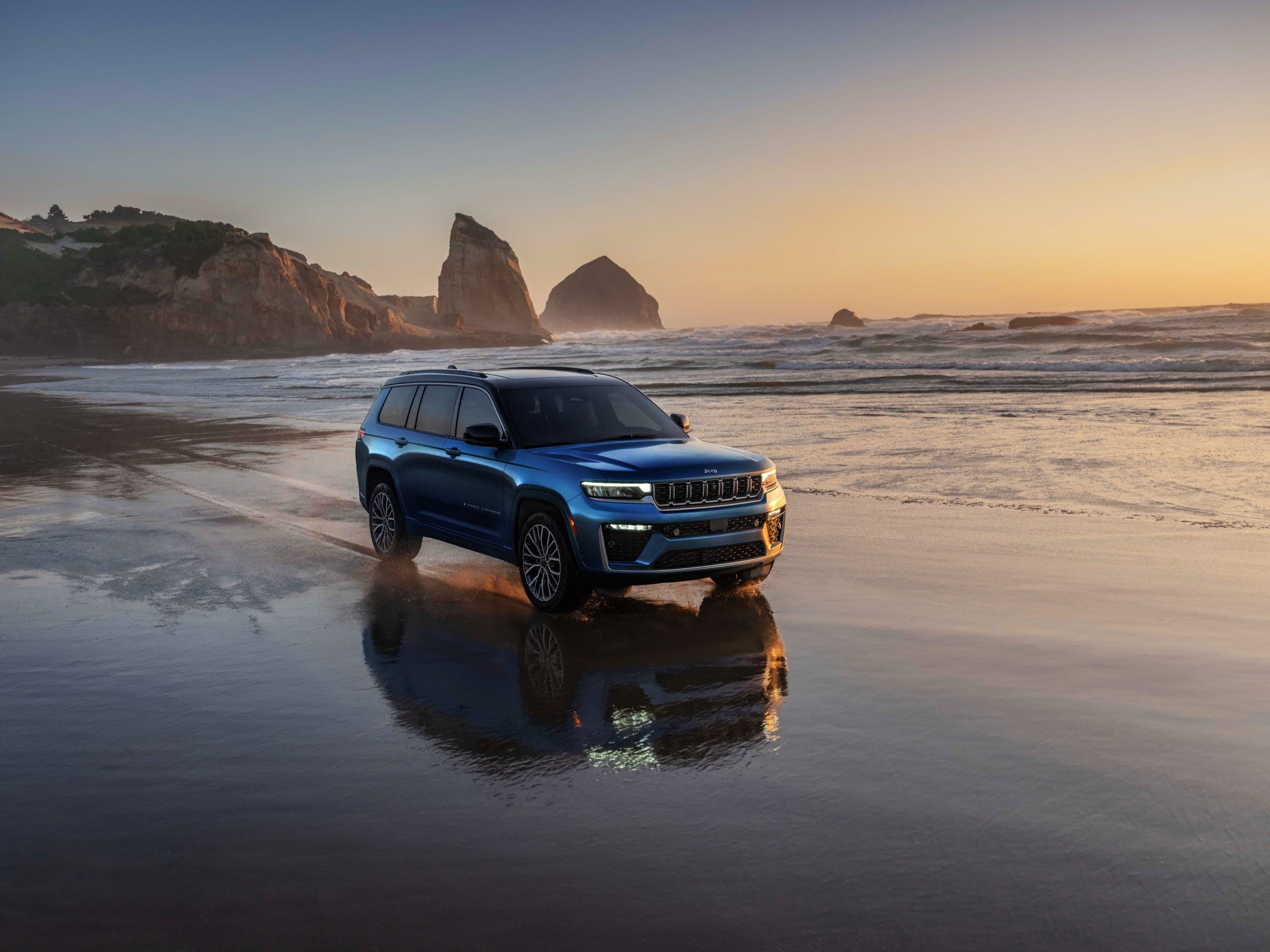
If you want one answer, the Grand Cherokee is it. It is comfortable on a long interstate day, has a 6,200-pound tow rating that covers a boat or a small camper, and offers a full range of 4x4 systems, from Quadra-Trac I up to Quadra-Drive II. The 324-hp Hurricane turbo four is standard from Laredo Altitude up, and the 3.6-liter V6 with 293 hp covers the entry trims.
One warning: the lower trims can be ordered rear-drive, and 4x4 is standard only on Limited Reserve, Summit and Trailhawk. In snow country, don't. A rear-drive Grand Cherokee is a nice vehicle, but it is not the one you want sliding backward down your own driveway.
Trailhawk adds air suspension that raises ride height to 11.4 inches. That is genuinely useful for deep drifts at a lake cabin, though most daily drivers will never need it. Stellantis lists the 2.0-liter Hurricane 4 as a Dundee, Michigan product, and the SUV is assembled at the Detroit Assembly Complex.
Jeep Wrangler: the deep-snow tool
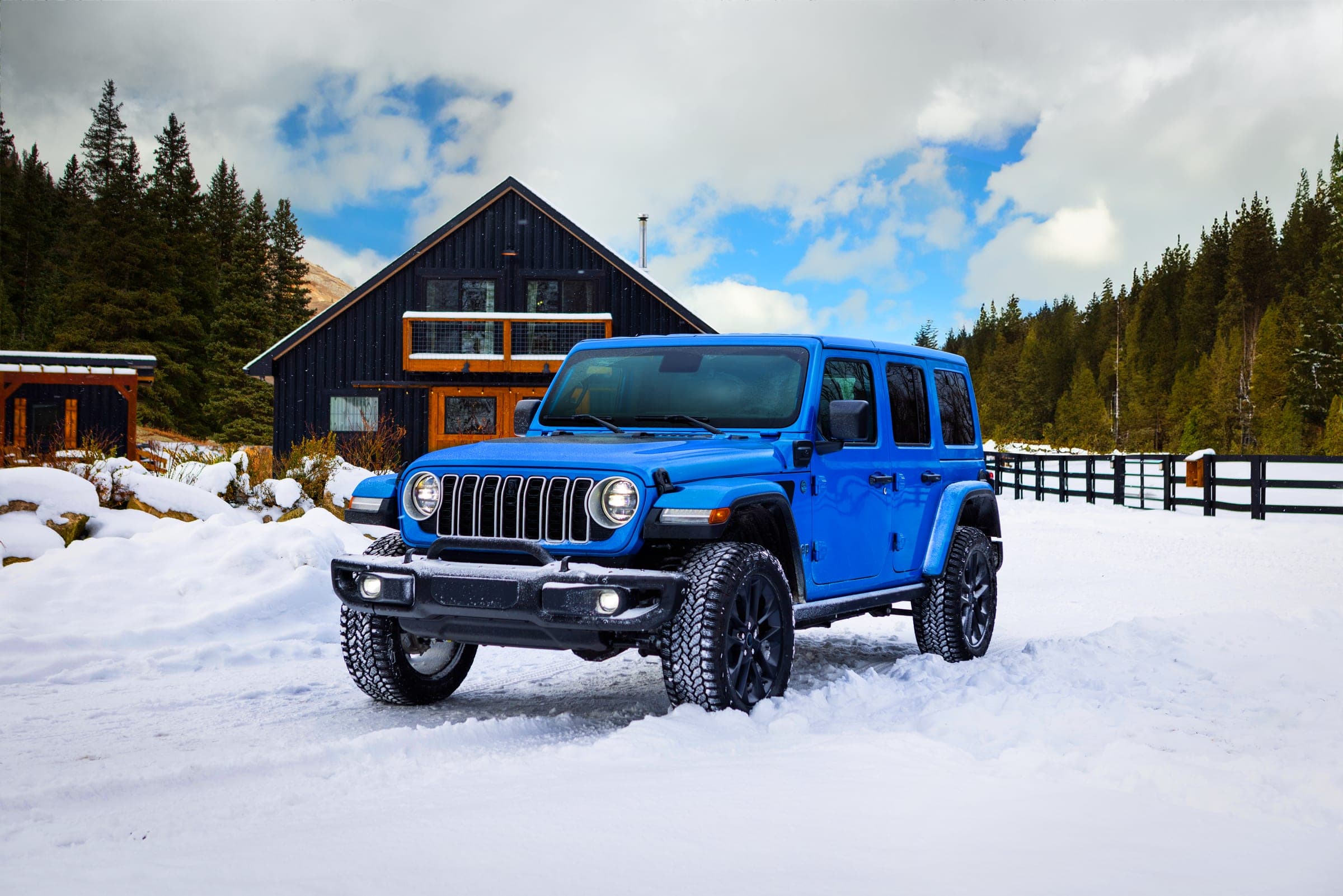
The Wrangler is the choice if your road is the last one plowed or your driveway is long. Every Wrangler has 4x4, with up to 12.9 inches of ground clearance and low-range gearing. For 2027, Rubicon models include heated front seats and a heated steering wheel as standard, which is the right set of priorities for a January commute.
The trade-offs are real. The short wheelbase and tall body make it twitchy in crosswinds on I-80 or I-94, and long highway days can be tiring. City fuel economy runs from 20 mpg with the turbo four down to 13 mpg with the V8. If most of your winter miles are on plowed roads, a Grand Cherokee will be more comfortable. If you regularly cross unplowed ground, the Wrangler earns its keep. It is built in Toledo, Ohio.
Dodge Durango: three rows and standard AWD
The Durango is the three-row SUV on this list with standard all-wheel drive on every trim for 2027 and a V8 in every version. (The Grand Cherokee L and Grand Wagoneer also have three rows, but 4x4 is not standard on every trim of either.) Seating is five to seven depending on trim, and the GT AWD HEMI V8 is rated to tow 7,200 pounds, or 8,700 pounds with the Tow 'n Go package. That makes it a solid winter family hauler and a lake-trip tow vehicle.
It is not a snow-drift vehicle, with 7.8 to 8.0 inches of ground clearance, and it is thirsty at 14/22 mpg for the GT AWD HEMI V8. But for families in Milwaukee, Columbus or Kansas City who need seating for seven and an AWD system that works without thinking, it fits. The Durango is assembled at the Detroit Assembly Complex, Jefferson plant.
Jeep Compass and Cherokee: the commuters
Not every winter needs a big SUV. The Compass comes with standard Active Drive 4x4, a 200-hp turbo four and, for 2027, standard adaptive cruise control. Remote start and heated front seats are listed on every 2027 trim. It is a sensible choice for a Chicago or Twin Cities commute where the plows come through and parking is tight.
The Cherokee is a self-charging hybrid with 4x4 on every trim and a 3,500-pound tow rating. Jeep estimates over 500 miles per tank, and up to 39 mpg in the city, though the Trailhawk's EPA rating is a more modest 33/29/31 mpg. It never needs to be plugged in, which matters if you park on the street. Like any hybrid, expect lower efficiency in deep cold. Neither of these is a drift-buster, but both are sensible, affordable and equipped for winter.
What about the electric Jeeps?
Jeep's Recon and Wagoneer S are fully electric, with dual-motor 4x4 traction. Jeep estimates up to 222 miles for the Recon Moab and 294 miles for the Wagoneer S, and those are best-case numbers. Cold air reduces any EV's range, and highway speed, wind and cabin heat make it worse. An EV can be a great winter commuter if you have a garage and a home charger, and a tougher proposition on long rural trips where fast chargers are far apart. Plan routes accordingly.
The Grand Wagoneer for big families and big trailers
The Grand Wagoneer is the full-size option, with seating for seven or eight, a 420-hp twin-turbo inline six and a tow rating up to 10,000 pounds on the standard wheelbase with 4x4. Order the 4x4. The 4x2 is rated for far less towing and has no front traction in snow. At 216 inches long, it is also a tight squeeze in older city garages. It is built at Warren Truck Assembly in Michigan.
Equipment worth paying for
For Midwest winters, spend on the small stuff before the big stuff:
- Remote start and heated seats. Availability varies by trim, so check the window sticker.
- Heated steering wheel. Standard on Rubicon Wranglers for 2027.
- Heated mirrors and a wiper de-icer. Availability varies by trim, so ask about the exact vehicle.
- A block heater if you live in the northern tier, particularly in Minnesota, Wisconsin or the Dakotas. Ask what is available for the specific engine.
- Winter tires, always.
Local conditions vary, so see our state guides for Minnesota, Michigan, Ohio and Wisconsin.
Bottom line
For most Midwest households, the Grand Cherokee with 4x4 is the best single answer. Choose the Wrangler if you regularly travel on unplowed roads, the Durango if you need three rows and standard AWD, the Compass or Cherokee for an affordable commuter, and the Grand Wagoneer if you also pull a big trailer. Whatever you pick, put winter tires on it.